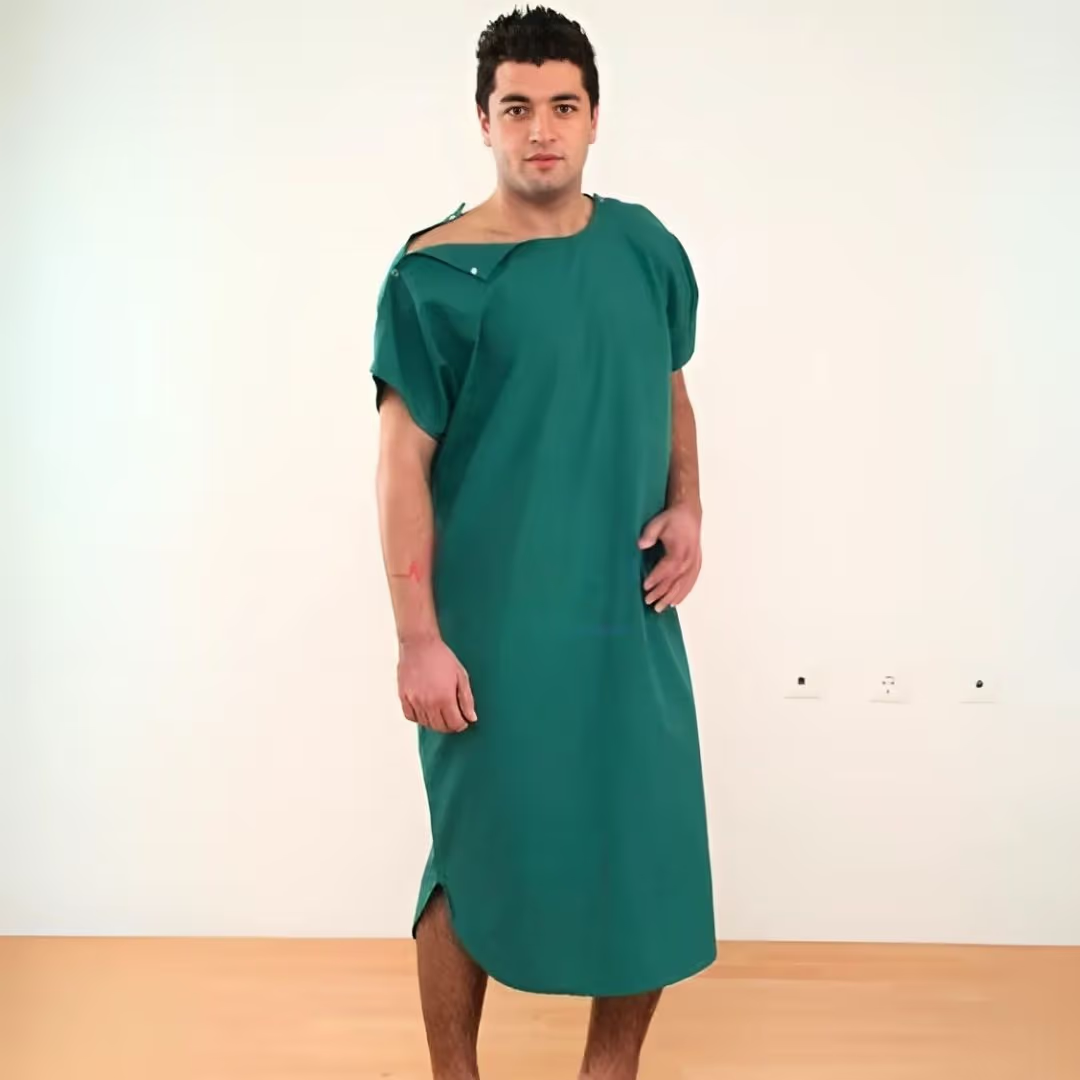
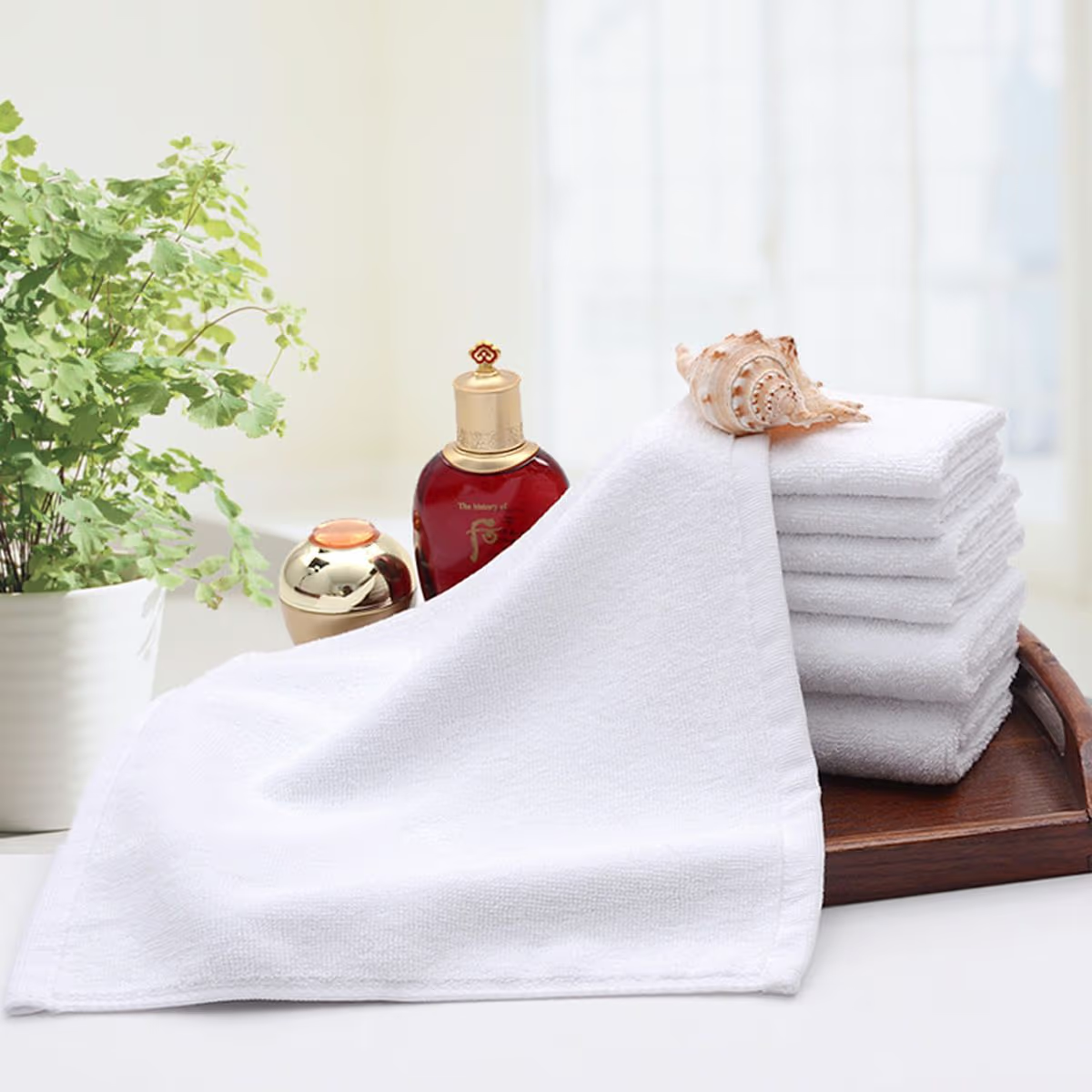
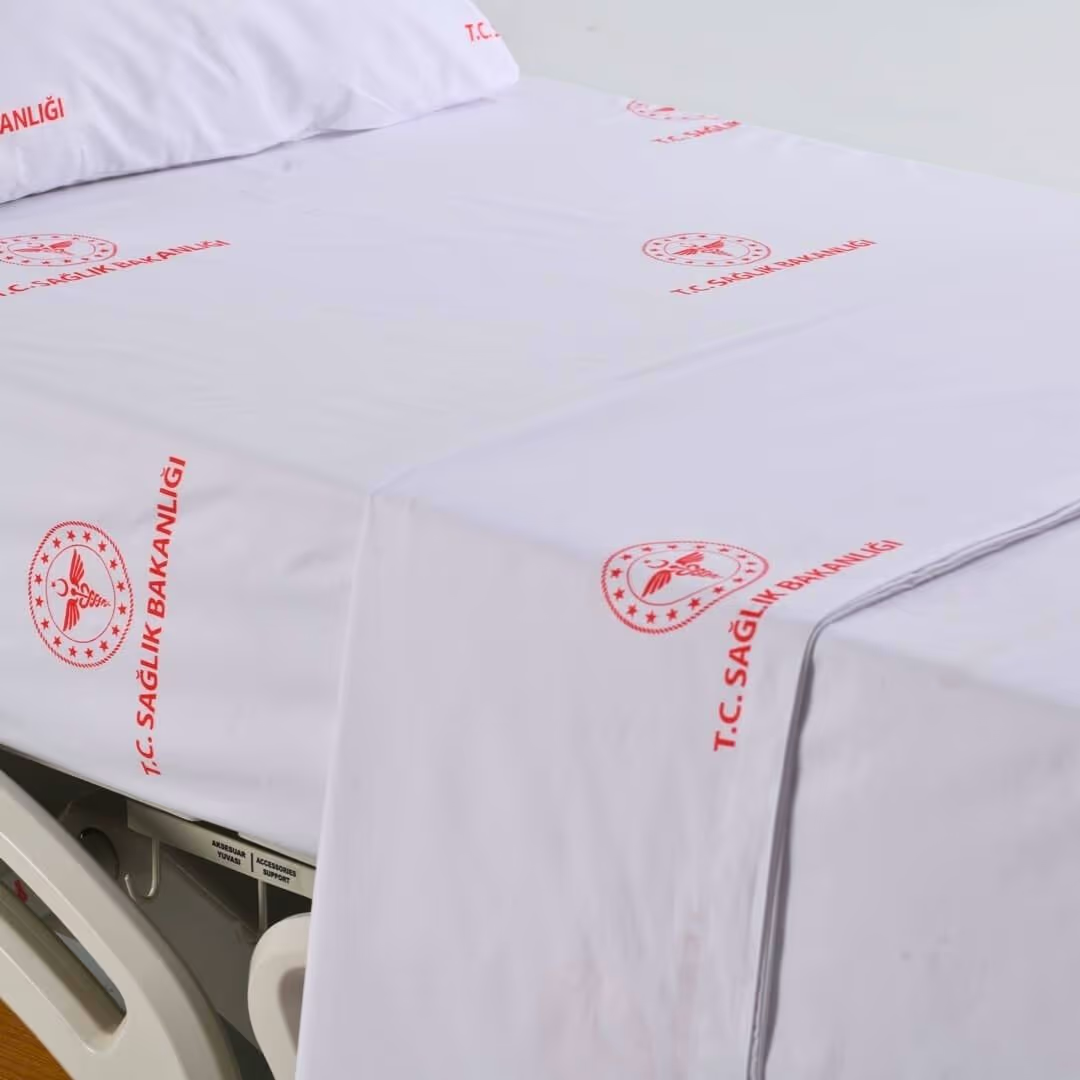
Woven fabric, stretched in the vertical direction warp and passed through the horizontal direction weft is a textile product produced by interlacing yarns at right angles to each other. This structure, due to the intersection of yarns, has more stable elasticity compared to knitted fabrics and ensures that garments or textile products maintain their form for a long time.
This method, used in a wide range from white bed linens to industrial curtains, is shaped with different technical details depending on the product to be manufactured. The basic properties of weaving are determined by many factors, from the type of fiber used to the production density.
Contents
- What are the Technical Specifications of Woven Fabric?
- What is the Biggest Difference Between Woven and Knitted Fabric?
- In Which Areas is Woven Fabric Used?
- Does Woven Fabric Make You Sweat and is it High Quality?
What are the Technical Specifications of Woven Fabric?
The quality and usage area of woven fabrics are directly dependent on the following technical parameters. These values are key factors that determine the fabric's durability, breathability, and feel:
| Technical Parameter | Description and Effect |
|---|---|
| Grammage (gr/m²) | It is an indicator of the fabric's weight and thickness. E.g.: For white bed linens, a range of 100-140 gr/m² is generally preferred. |
| Fiber Content | Includes cotton (%100), polyester, or blend ratios. Natural fibers offer higher breathability. |
| Yarn Number | Can vary between Ne 30/1 and Ne 60/1; the higher it is, the finer and softer the fabric feels. |
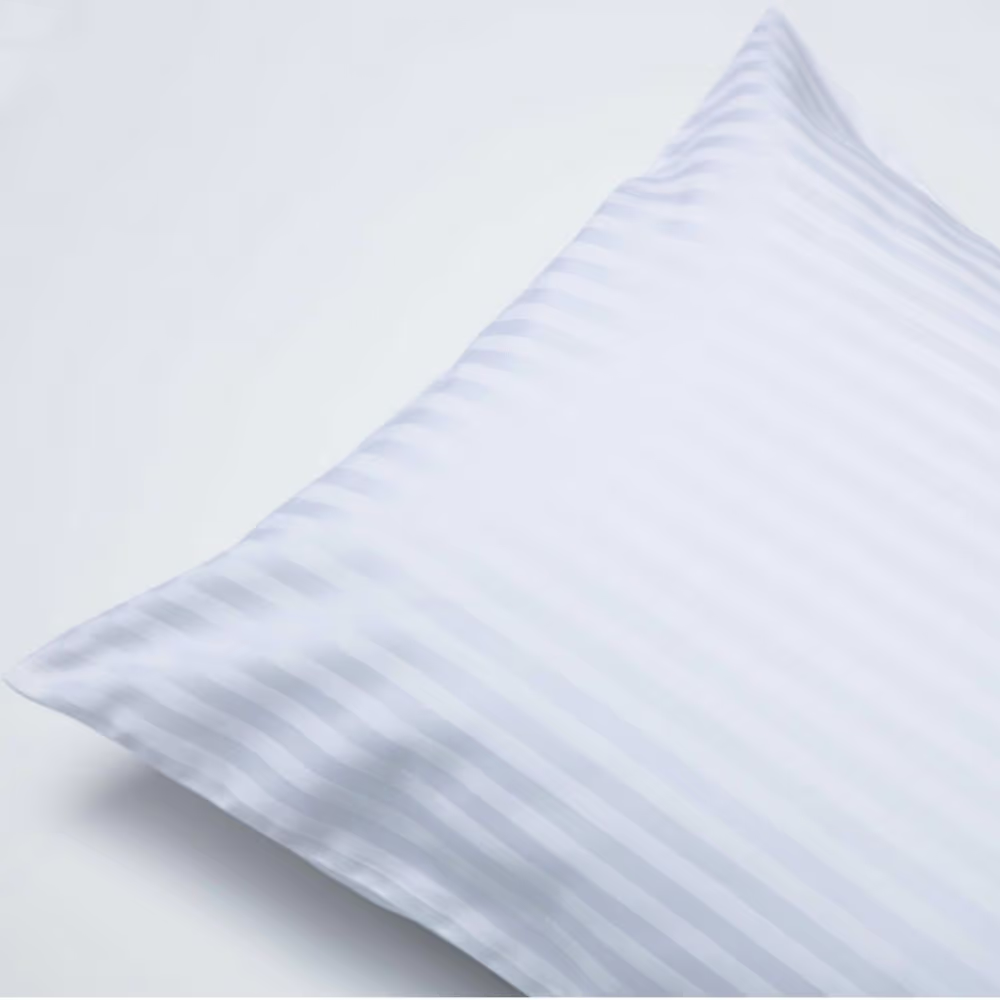
| Weave Type | Structures like percale, sateen, or pique determine whether the surface will be matte, shiny, or slightly creased. |
What is the Biggest Difference Between Woven and Knitted Fabric?
In knitted fabrics, a single yarn is chained in loops; in woven fabrics, two separate yarn systems (warp and weft) are interlaced. This leads to the following results:
- Elasticity: Woven fabrics do not stretch or change shape. This is a critical advantage for products that need to maintain their form, such as trousers, shirts, and bed linens.
- Durability: The interlaced structure increases resistance to tearing and ripping.
- Thermal Insulation: Due to its structure, it has air permeability, but its thermal barrier property is higher than knitting.
In Which Areas is Woven Fabric Used?
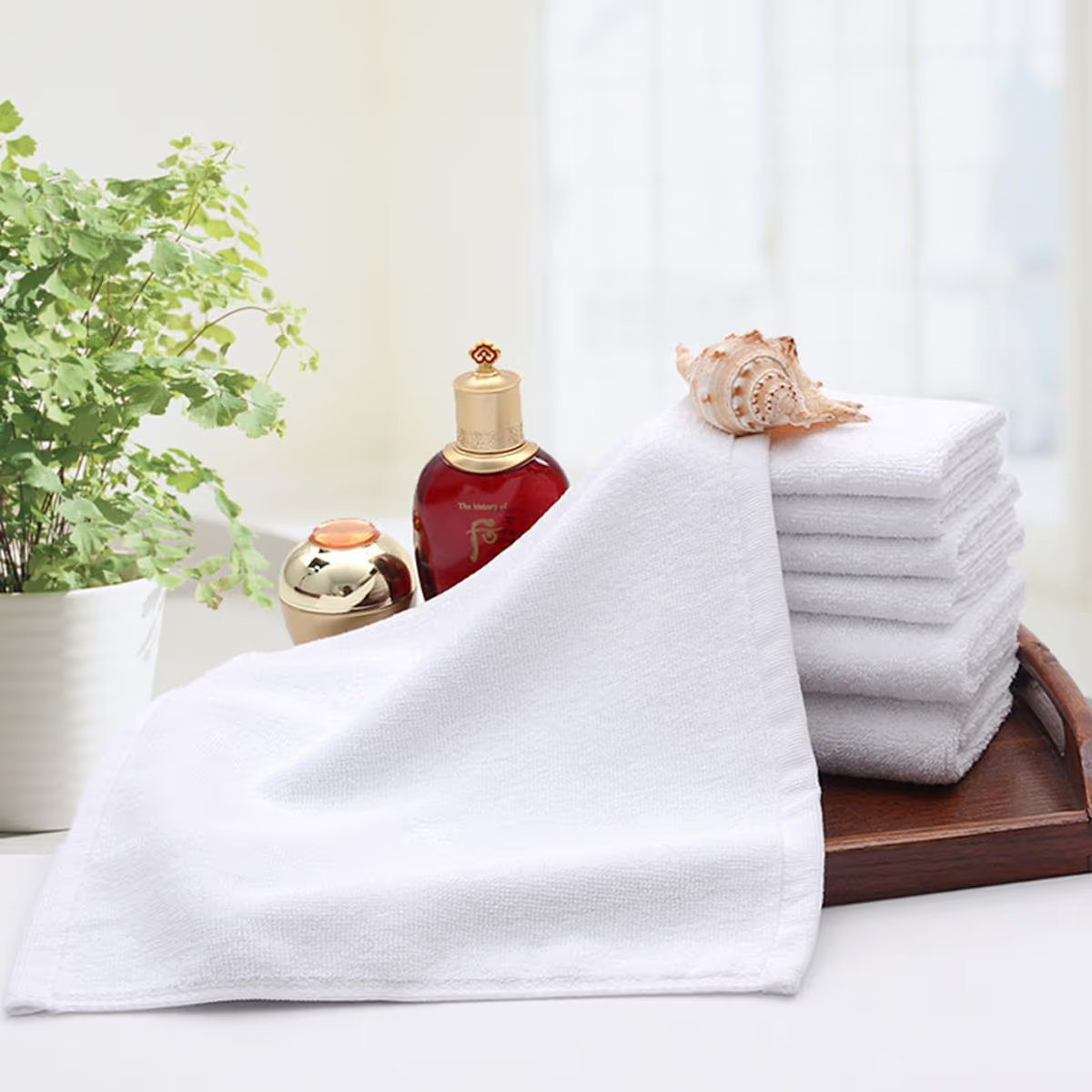
This material, frequently preferred in the white bed linen sector, is used in the following areas due to its hygienic cleanability and longevity:
- Home Textiles: Duvet covers, sheets, and pillowcases (Provides a warm sleep with its breathable structure).
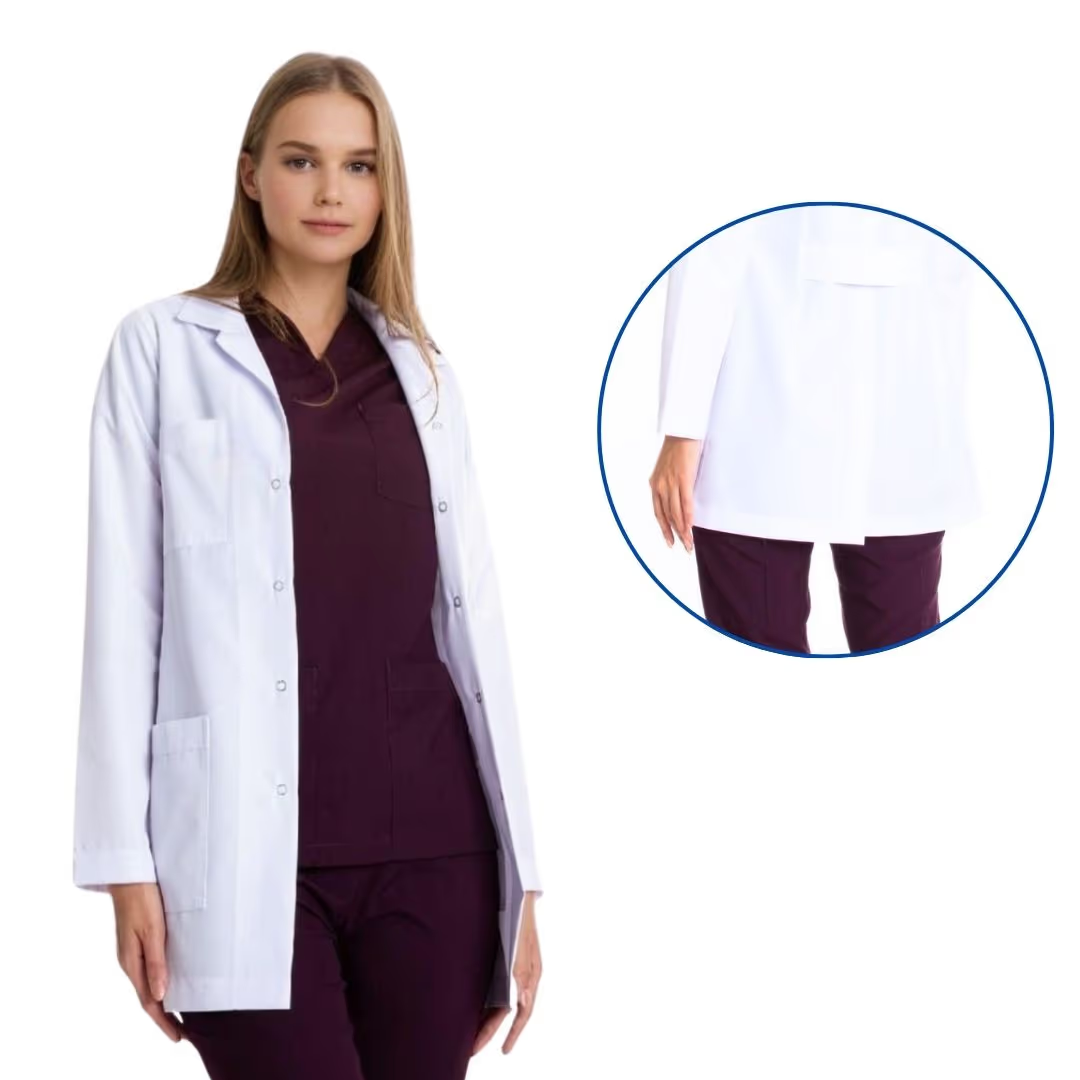
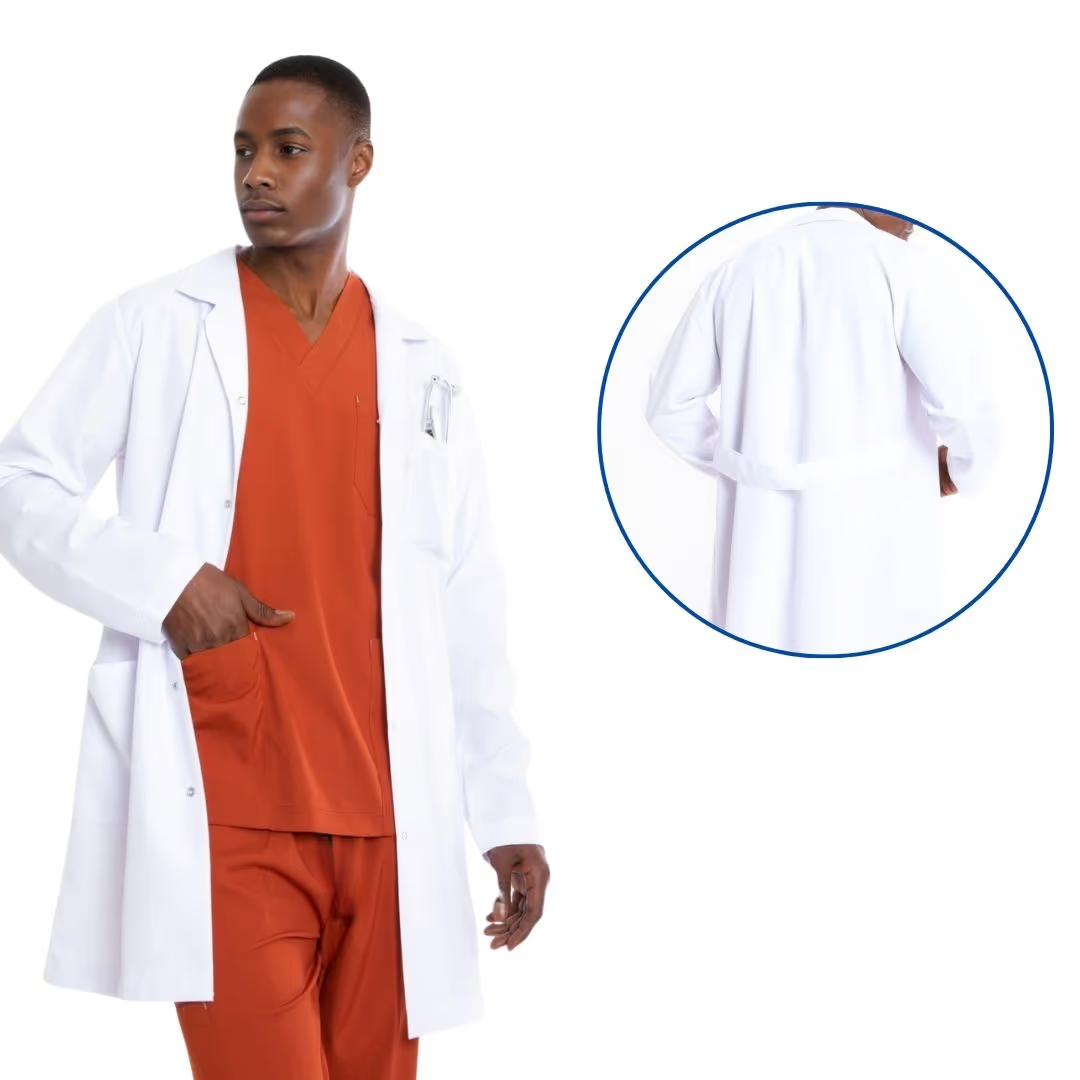
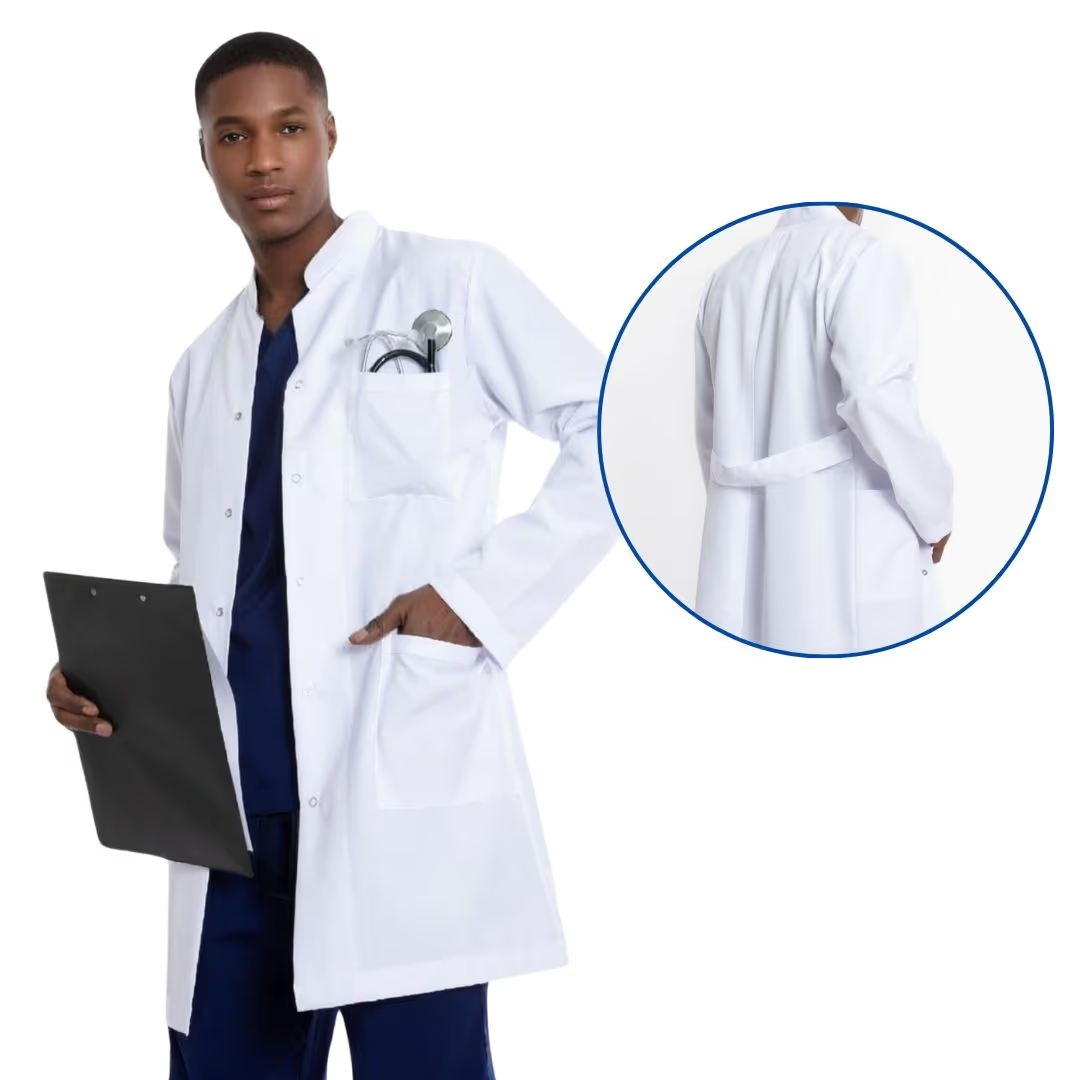
- Apparel Industry: For preventing shape distortion in shirt, trouser, and jacket interlinings.
- Hard Textiles: Curtains, tablecloths, and carpets.
Does Woven Fabric Make You Sweat and is it High Quality?
While it generally offers good ventilation, sweating depends on the yarn used. Woven fabrics made from natural fibers like 100% cotton or linen do not cause sweating and absorb moisture. However, woven types with a high percentage of synthetics (polyester/polyamide) can trap moisture and create a sweating effect. Therefore, for a quality woven choice, the cotton percentage should be considered.