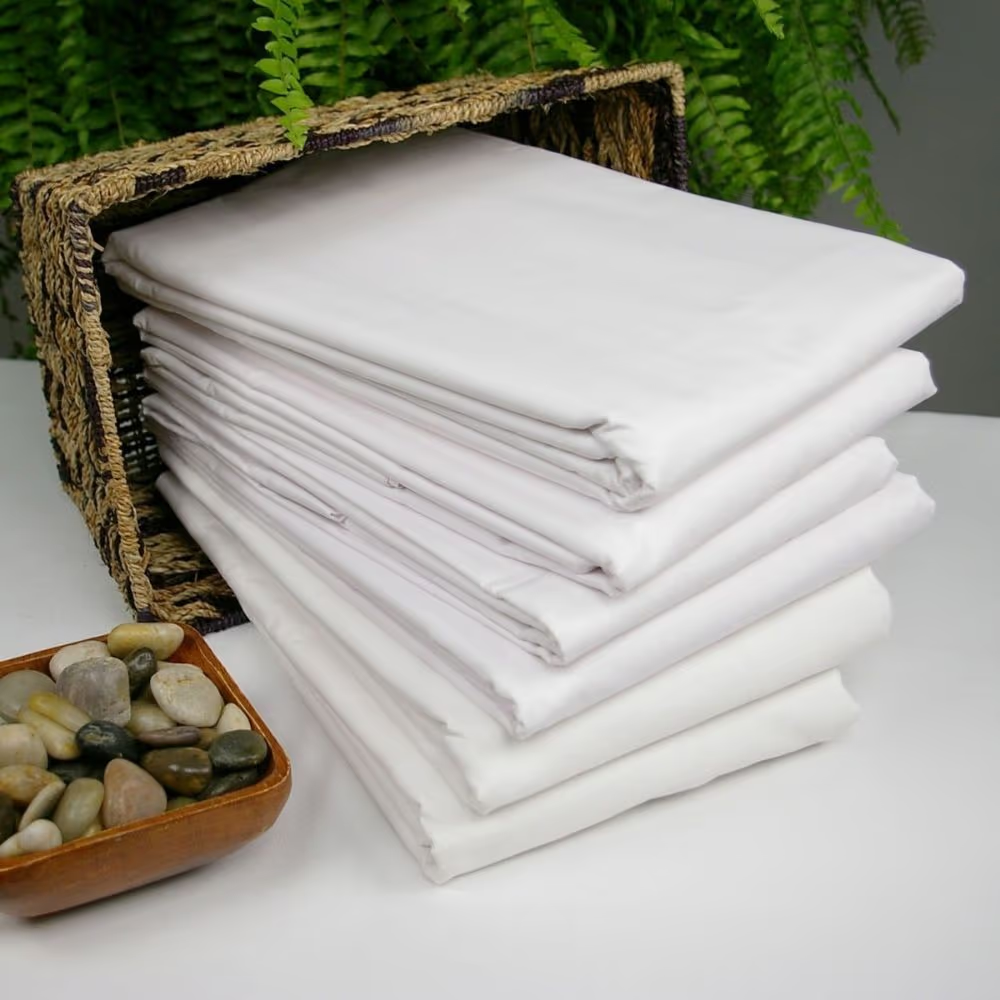
Poplin fabric, a plain weave fabric obtained by weaving warp and weft yarns of different thicknesses (counts), with fine horizontal lines on its surface. Although usually produced from cotton, it can also be found in viscose or polyester blends.
Contents
- What is Poplin Fabric and What is its Weaving Technique?
- Poplin Fabric Technical Specifications
- Where is Poplin Fabric Used?
- Frequently Asked Questions
What is Poplin Fabric and What is its Weaving Technique?
Poplin is based on the plain (tabby) weave system. Its most distinctive feature is that the warp yarns are finer and denser than the weft yarns, while the weft yarns are thicker. This difference creates a slightly raised, notched feel and fine horizontal lines on the fabric surface. Thanks to its weaving technique, the fabric is both durable and has a silky touch.
Poplin Fabric Technical Specifications
While poplin fabric properties vary depending on the fiber type and weight used, they are defined by the following typical values:
| Property | Value / Range |
|---|---|
| Fiber content | 100% Cotton, Viscose, or Polyester-Cotton blend |
| Weight | Generally 100–160 gr/m² (apparel), 110–140 gr/m² (home textiles) |
| Yarn count | Warp Ne 40/1 – 60/1, thicker yarn in weft |
| Weave type | Plain weave, different yarn counts |
| Surface feel | Flat, smooth, raised with fine lines |
| Breathability | High (thin structure) |
- Permeability: Due to its thin structure, it has high air permeability; it keeps you cool in the summer.
- Care: It holds its shape easily and can be worked with comfortably without requiring seam allowances; however, it may shrink slightly when washed.
Where is Poplin Fabric Used?
Poplin fabric has a wide range of uses due to its light structure and print-friendly surface. It is preferred in both apparel and home textiles.
- Apparel: Shirts, dresses, skirts, and summer suits.
- Home textiles: Lightweight bed linens, pillowcases, kitchen textiles.
- Printed fabrics: Its flat and smooth surface provides an ideal base for patterned designs.
Frequently Asked Questions
Does poplin fabric cause sweating?
Poplin fabrics with a high cotton content generally do not cause sweating due to their high breathability; this may vary with synthetic blends.
Is poplin fabric see-through?
Thin-weight poplin fabrics, especially in light colors, may be slightly see-through; this issue is eliminated with thicker weights or lined use.
What is the difference between poplin fabric and cotton fabric?
Poplin is a weaving technique; cotton is a fiber type. Poplin fabric can be made of cotton or blends; the difference lies in the fine striped weave on the surface and the difference in yarn thickness.