Linen fabric, Linum usitatissimum is a textile material produced from a natural cellulosic fiber obtained from the (common flax) plant, known for its high durability and cooling properties. Used since ancient times, linen is considered one of the most important raw materials for sustainable fashion due to its cultivation with near-zero water consumption.
Why is it Preferred and What are its Technical Specifications?
The main advantage of linen fabric is its ability to wick away sweat from the body, creating a moist and cool sensation. It has a stiffer and less flexible texture compared to cotton fabrics, but it softens with washing. It also exhibits natural antibacterial properties as it is not conducive to microbial growth. Its preference in hot weather is due to its good breathability and lack of heat insulation.
| Feature | Description / Value |
|---|---|
| Fiber Source | Flax Plant (100% Natural Fiber) |
| Strength | 20-40% stronger even when wet. |
| Weave Type | Generally Plain or Twill |
| Care | May shrink with heat; easy to iron. |
What are its Areas of Use?
Linen fabric varieties take on different names according to their areas of use and serve functional purposes:
- Apparel Textile: Provides coolness in summer trousers, shirts, and dresses.
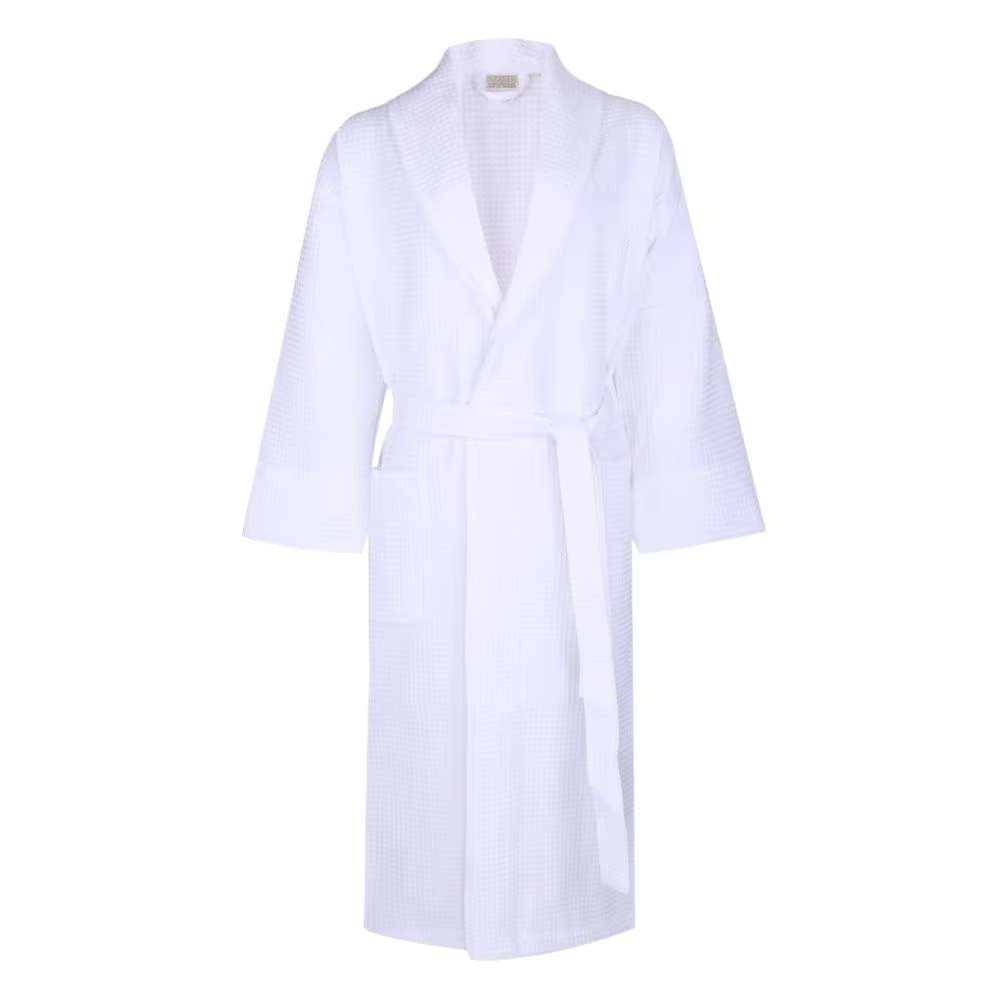
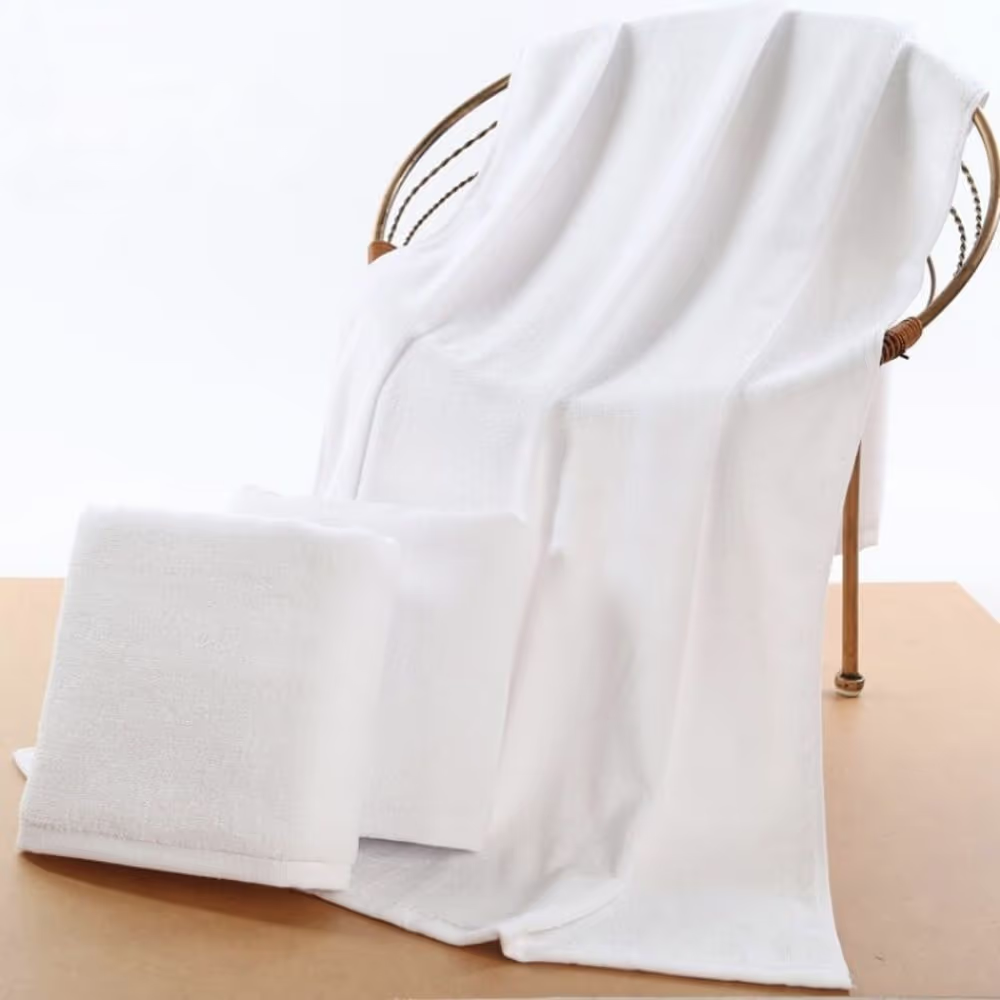
- Home Textile: Offers aesthetics and durability in tablecloths, curtains, and upholstery.
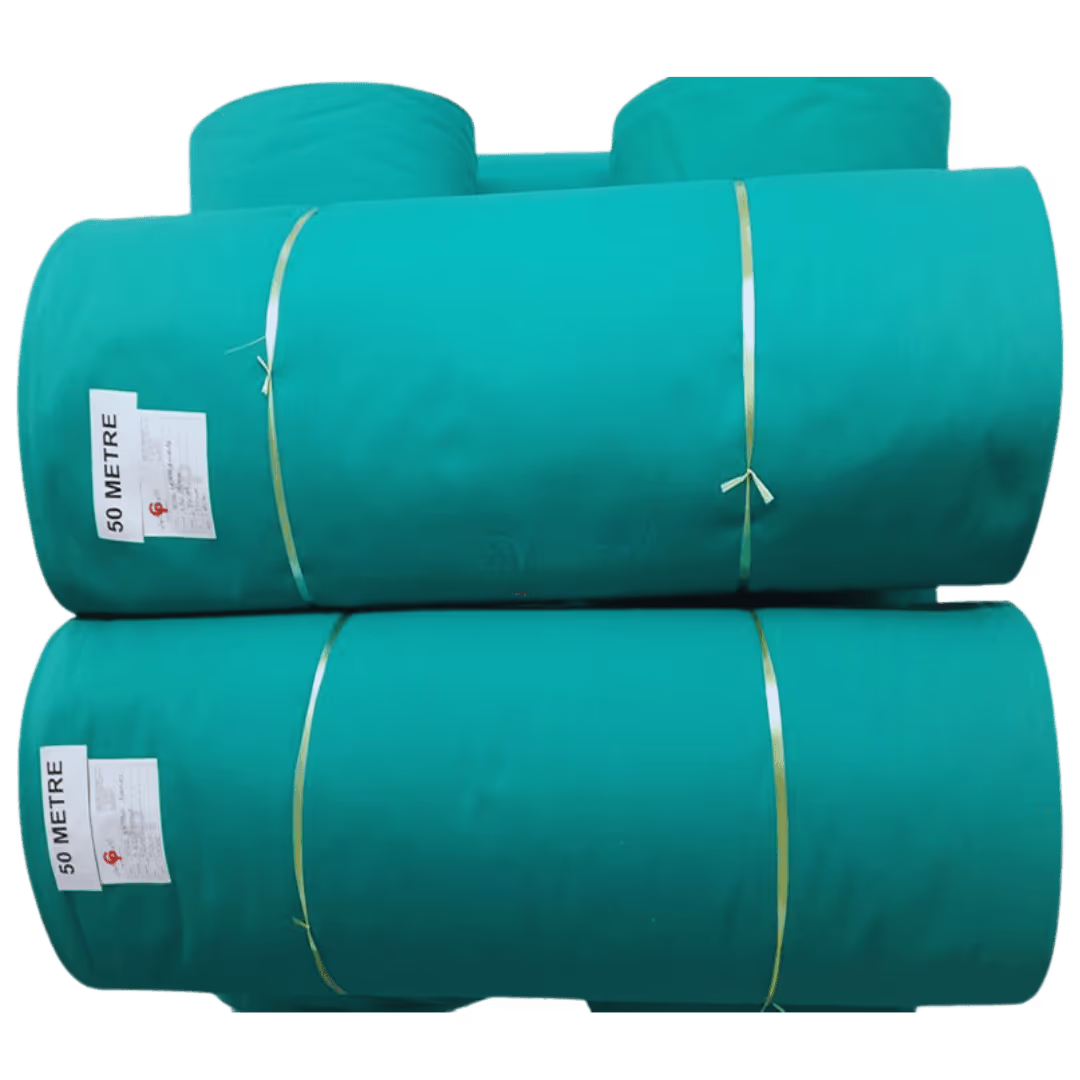
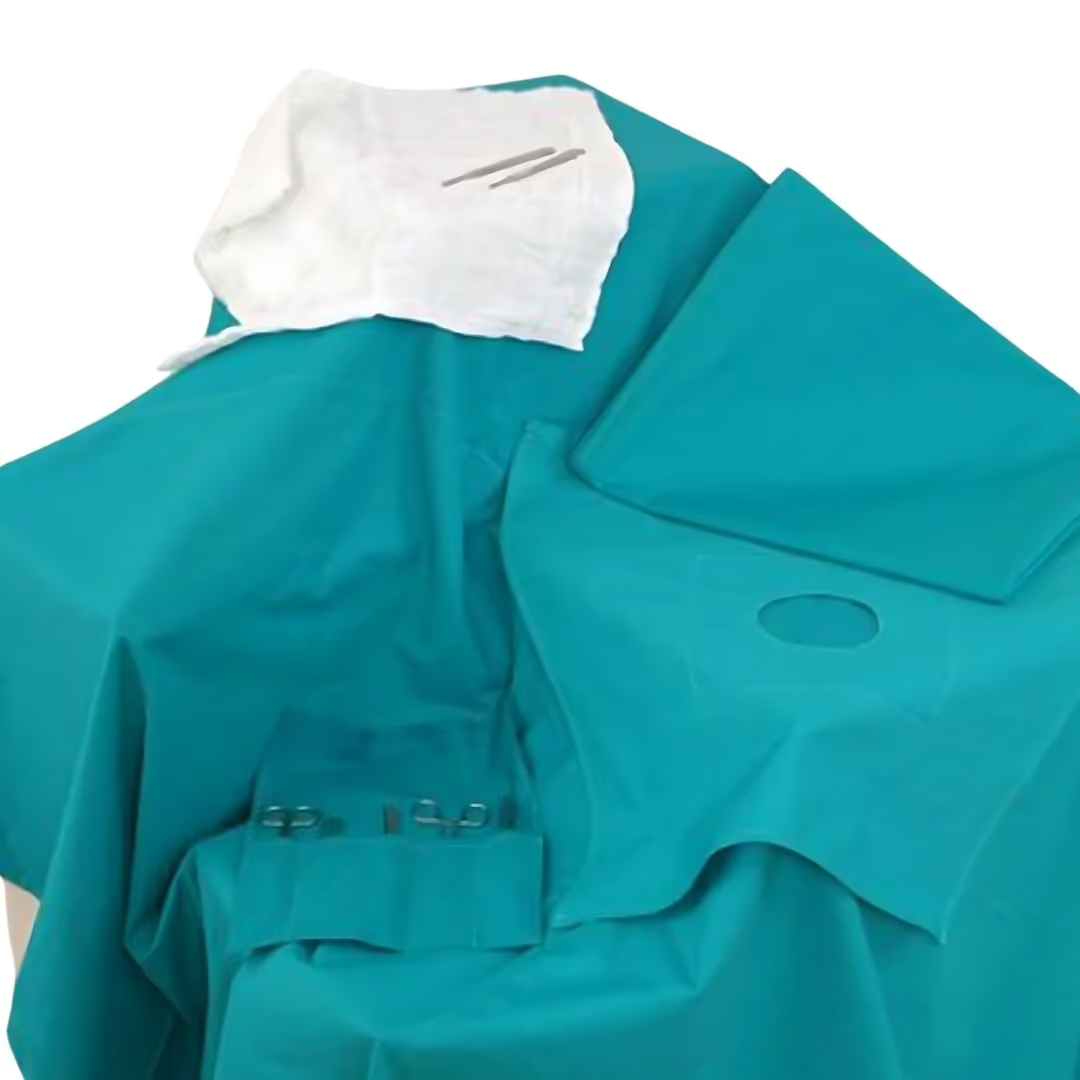
- Medical Textile: Used in operating room garments due to its hygienic and antibacterial structure. For example, our Operating Room Green Linen Fabric is an example of this category.
What is the Difference Between Raw Linen and Duck Linen?
Raw linen is the type with minimal processing, retaining its natural color, and generally having a thicker/raw structure. Duck linen fabric is a type of linen produced for heavy-duty applications (upholstery, luggage, etc.), made from tightly woven and thick yarns. Both types carry the durable and somewhat wrinkle-prone nature of natural linen. For your large volume needs, Wholesale Linen Fabric supply is possible.