Contents
- What are Polyester Fabrics and What are Their Properties?
- Polyester Fabric Technical Specifications
- Usage Areas and Comparison
What are Polyester Fabrics and What are Their Properties?
Polyester fabrics, are a type of synthetic fiber produced by the polymerization of monomers such as ethylene glycol derived from petroleum. Unlike natural fibers, this material, synthesized through chemical processes, is among the most popular choices in modern textiles due to its low moisture absorbency, high durability, and quick-drying capabilities.
Polyester, which does not tend to decompose in nature, is highly resistant to wrinkles. This feature reduces the need for ironing. It also has a high color retention ability; it plays an indispensable role in the production of long-lasting and fade-resistant garments.
Polyester Fabric Technical Specifications
Polyester's technical values can vary depending on the production process (woven or knitted), but generally accepted standard ranges are as follows:
| Property | Value / Description |
|---|---|
| Composition | 100% Polyester or Cotton-Polyester Blend (Typically 65% Cotton – 35% Polyester) |
| Weight | Typically ranges from 100 - 170 gr/m² (light for apparel, medium-weight for bedding). |
| Weave Type | Can be produced in a weft weave (e.g., Poplin, Satin) or knitted (Jersey) structure. |
| Care Conditions | Machine washable in warm water at 30-40°C, compatible with tumble dryers. |
| Moisture Absorbency | Low (close to 0%, can trap sweat on the body). |
Usage Areas and Comparison
Polyester's versatility makes it usable in a wide range of applications. It is generally dominant in the following sectors:
- Sportswear: Preferred in performance sports due to its quick moisture-wicking and flexibility.
- Casual Wear: Used in jackets, trousers, and shirts to maintain their shape.
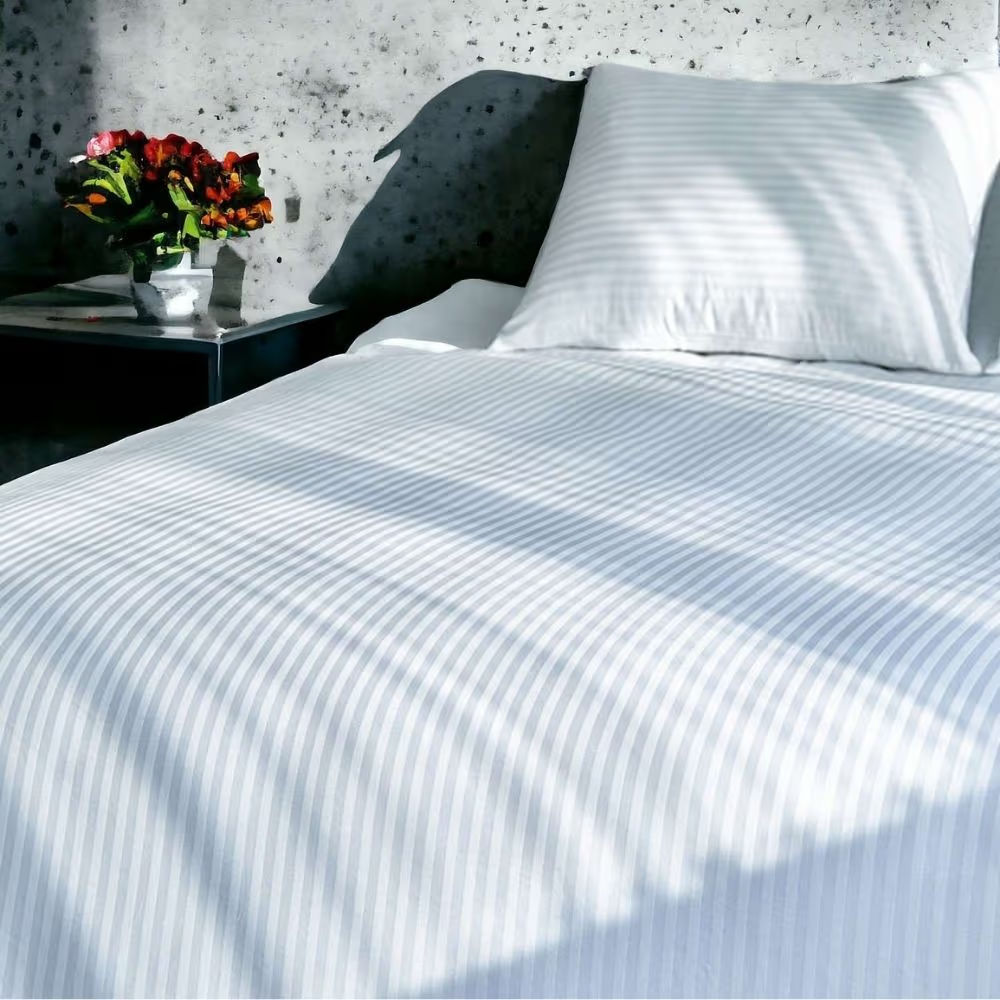
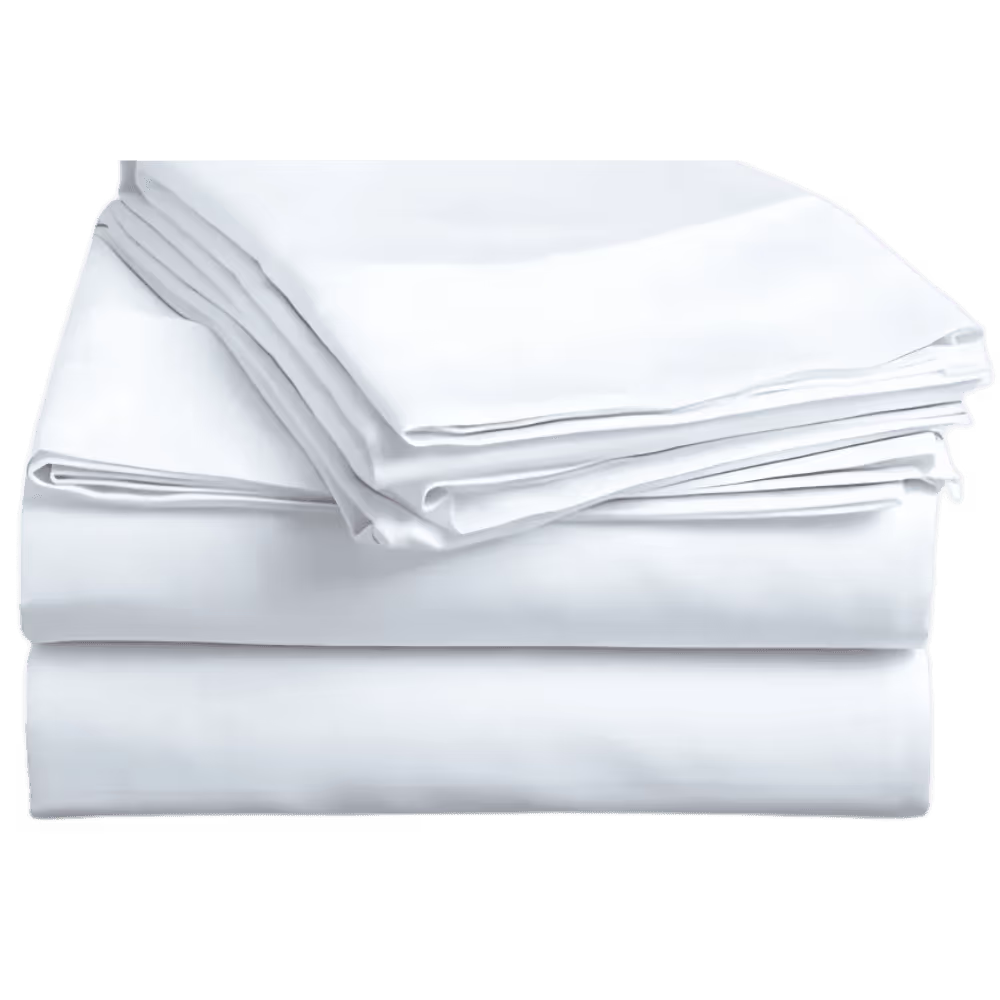
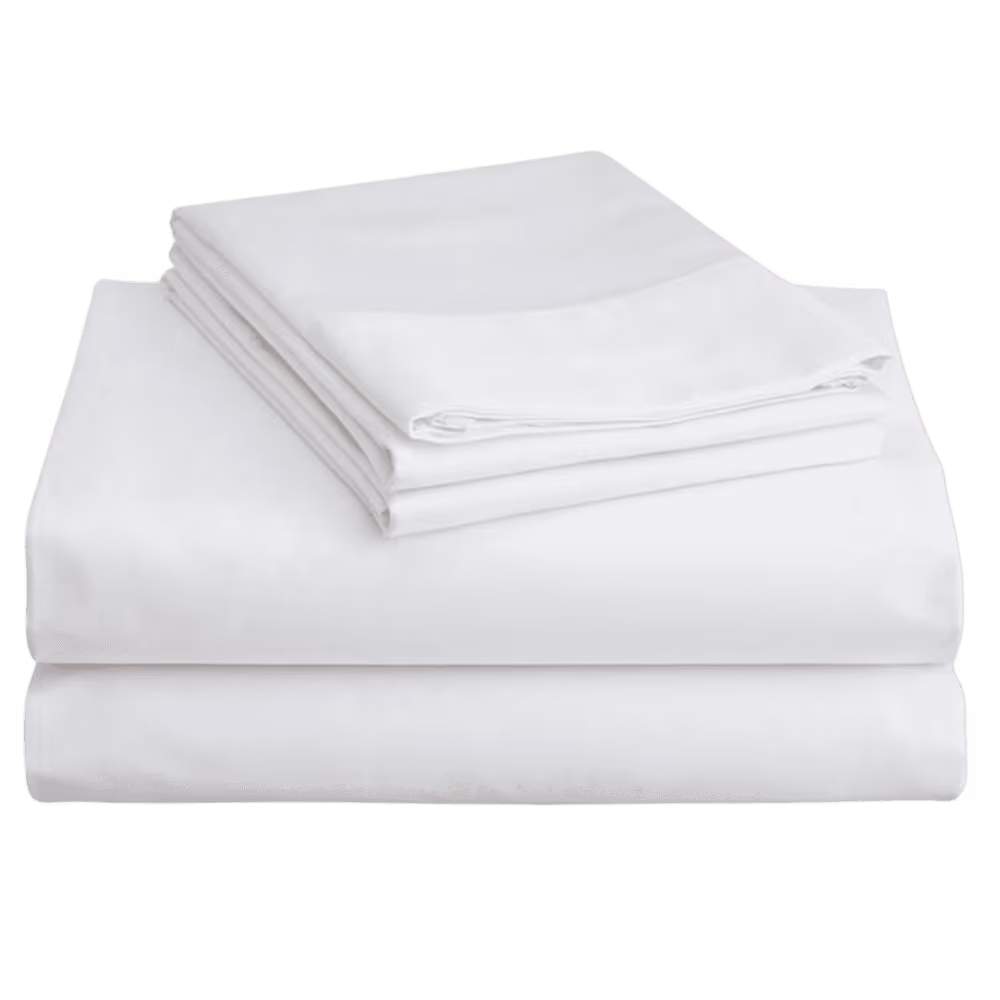
- Home Textiles: Applied in pillows, curtains, and sometimes bedding sets to prevent wrinkling.
- Hotel Industry: Frequently preferred because it can withstand intensive washing cycles.
Polyester's biggest disadvantage is that it is not as breathable as natural fibers like cotton. It can be more expensive than cotton or may not feel as comfortable. However, cotton-polyester blend fabrics solve this dilemma: they combine the comfort of cotton with the durability of polyester. As a result, they are the most suitable alternative for products requiring easy care in daily use.