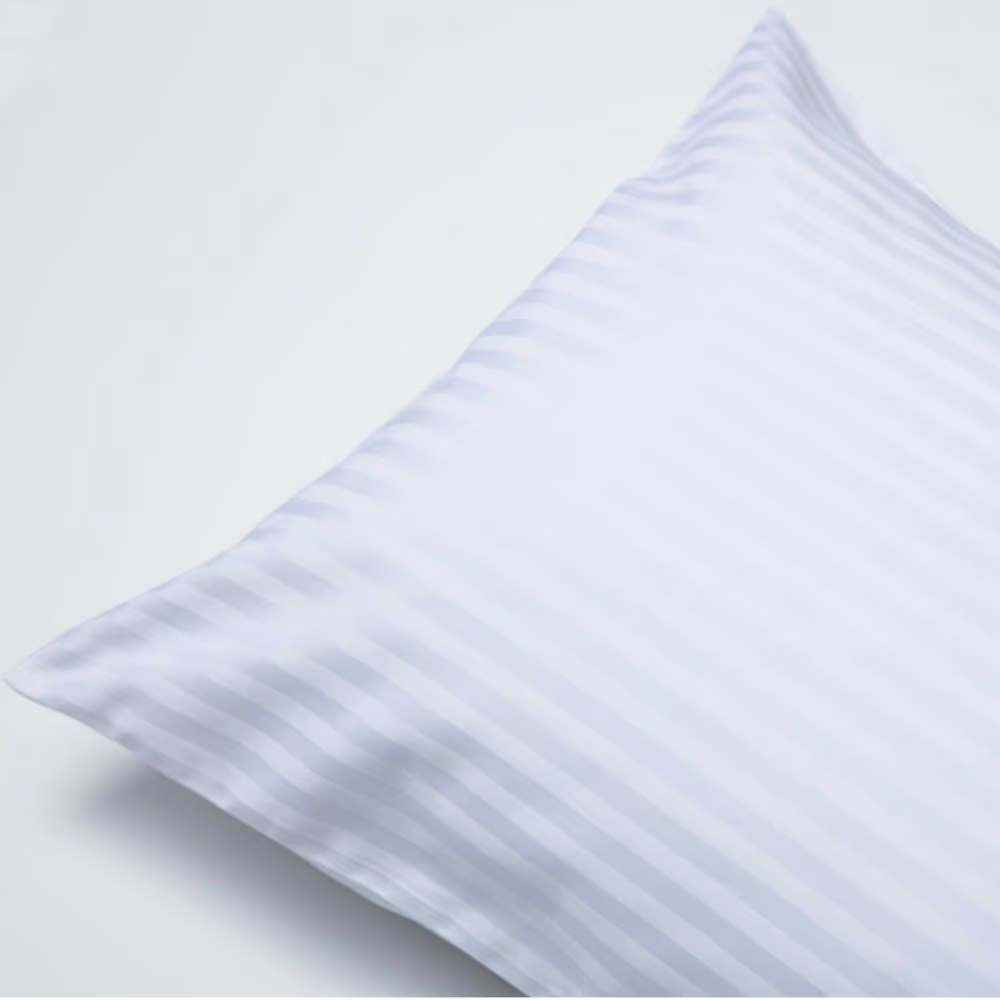
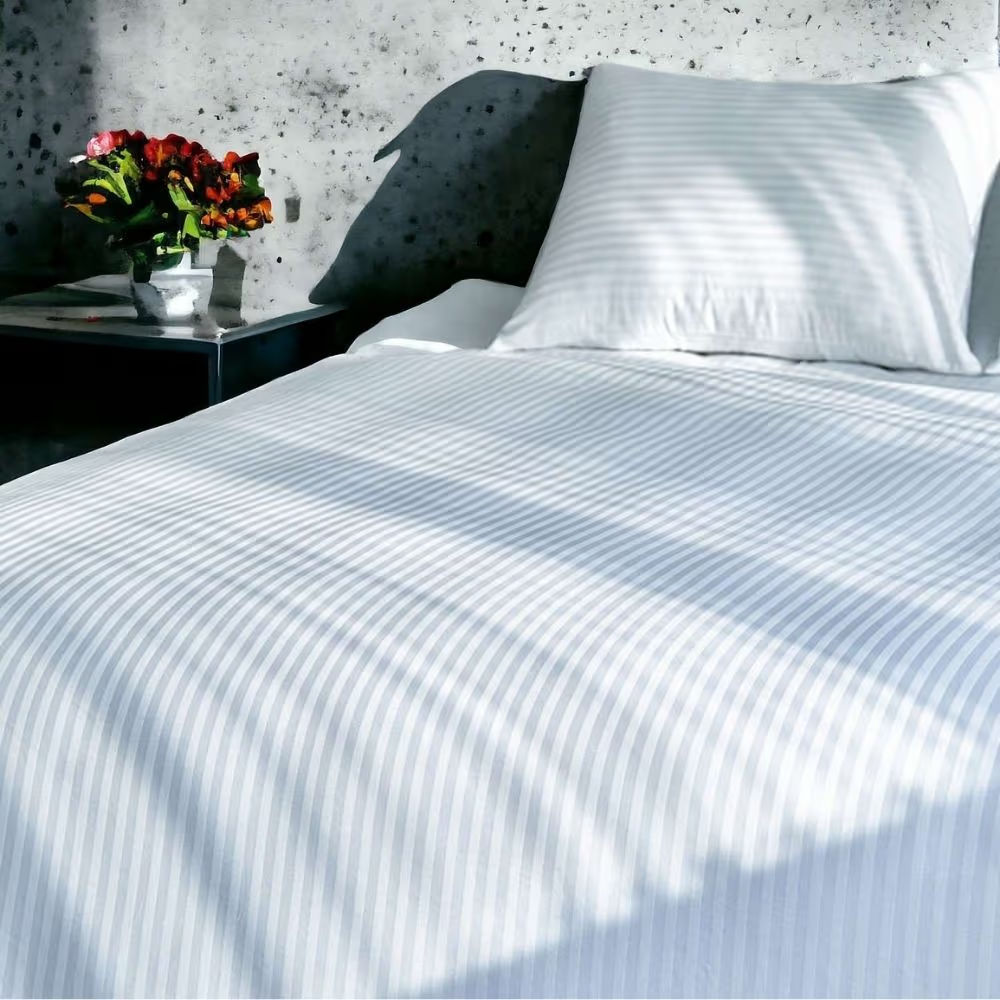
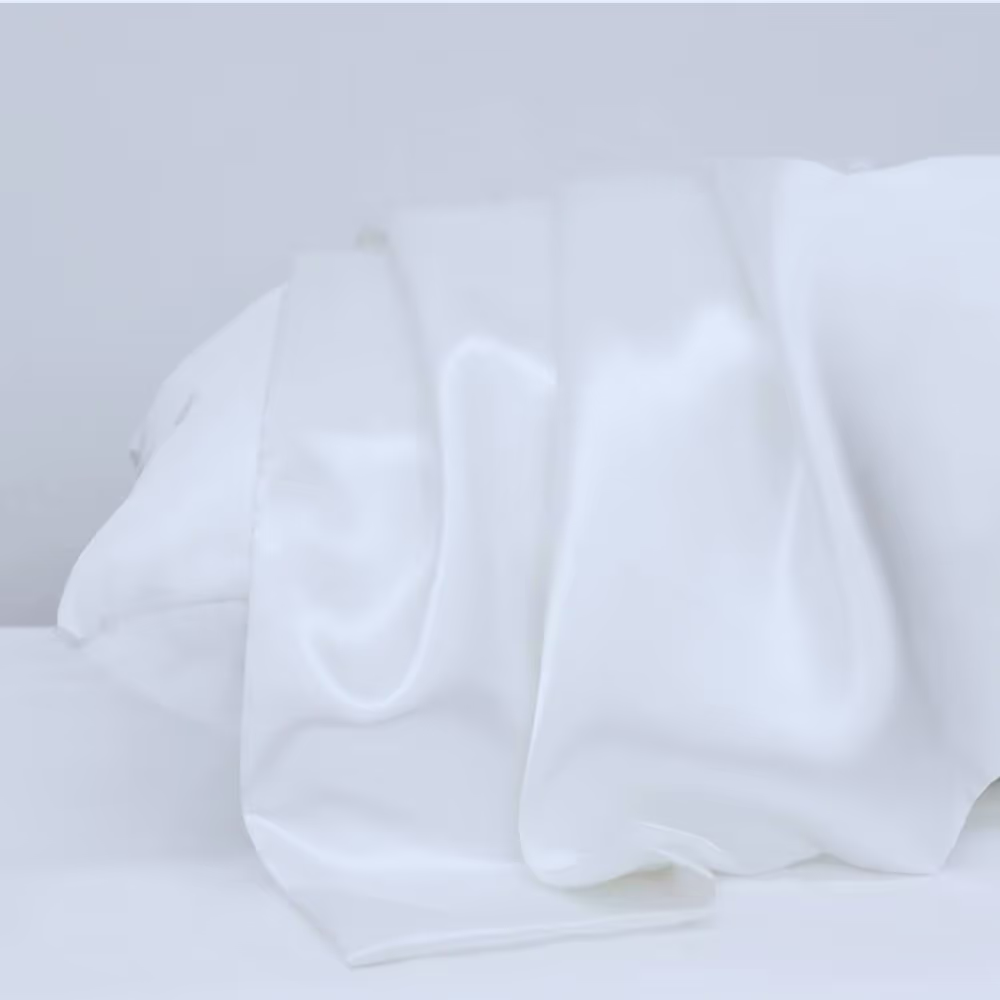
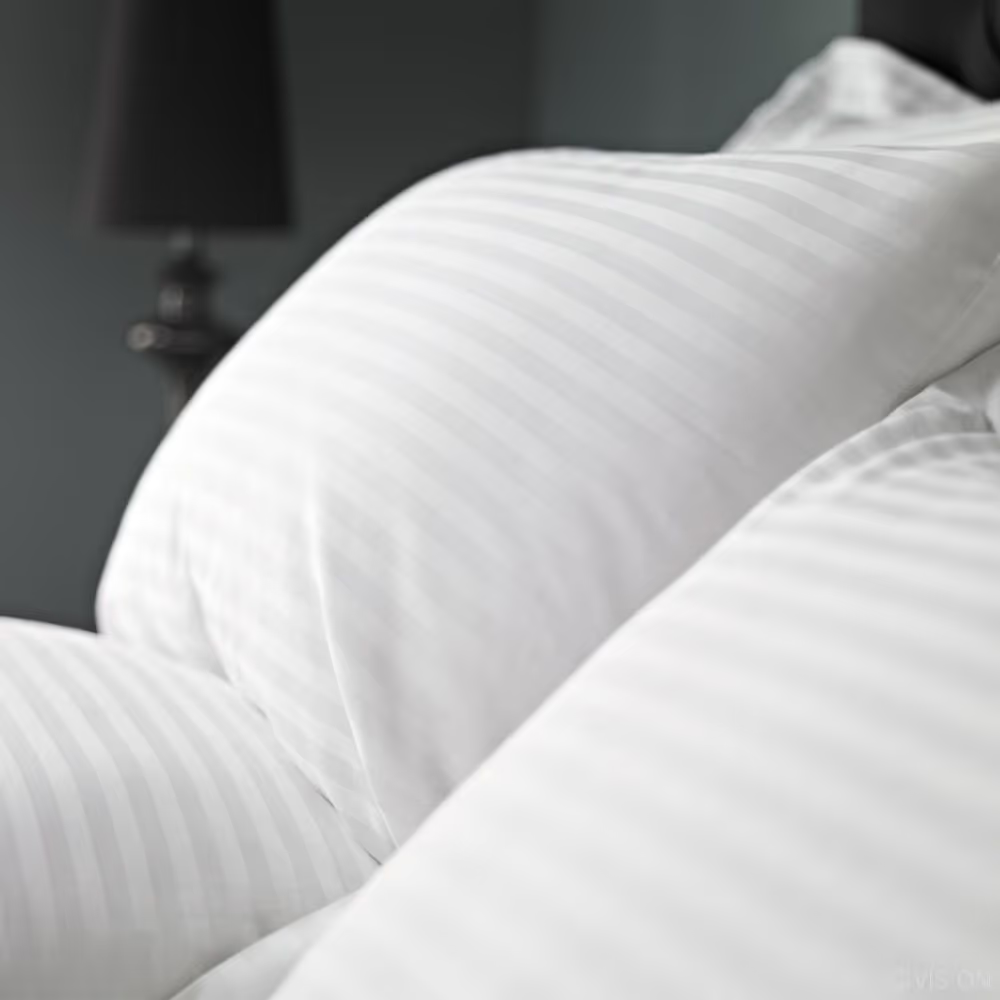
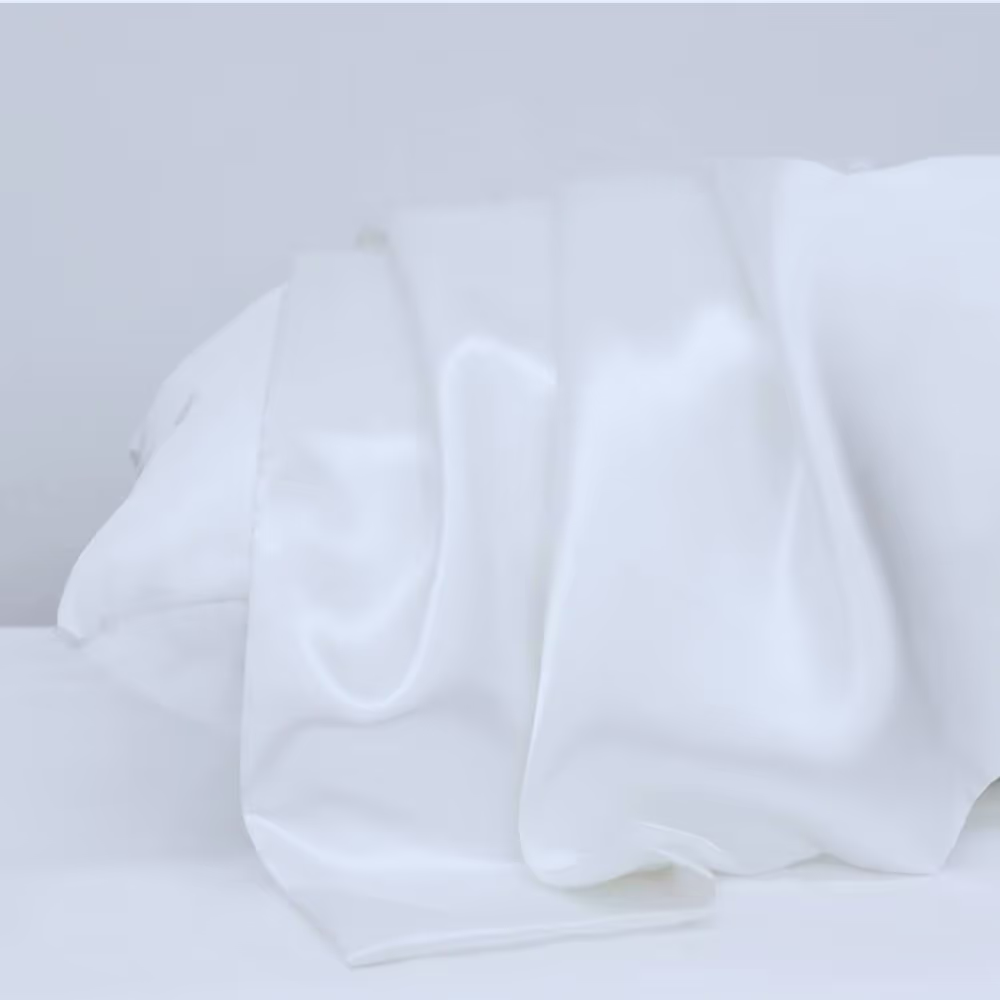
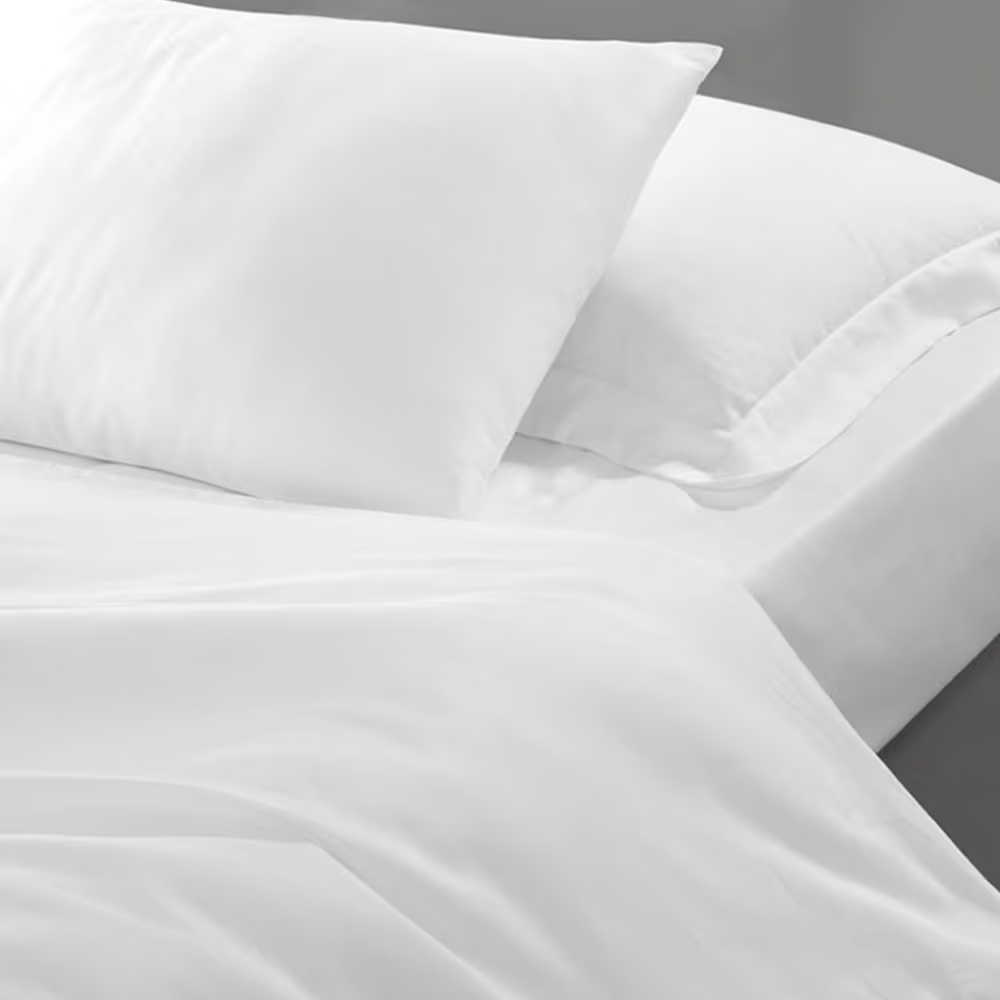
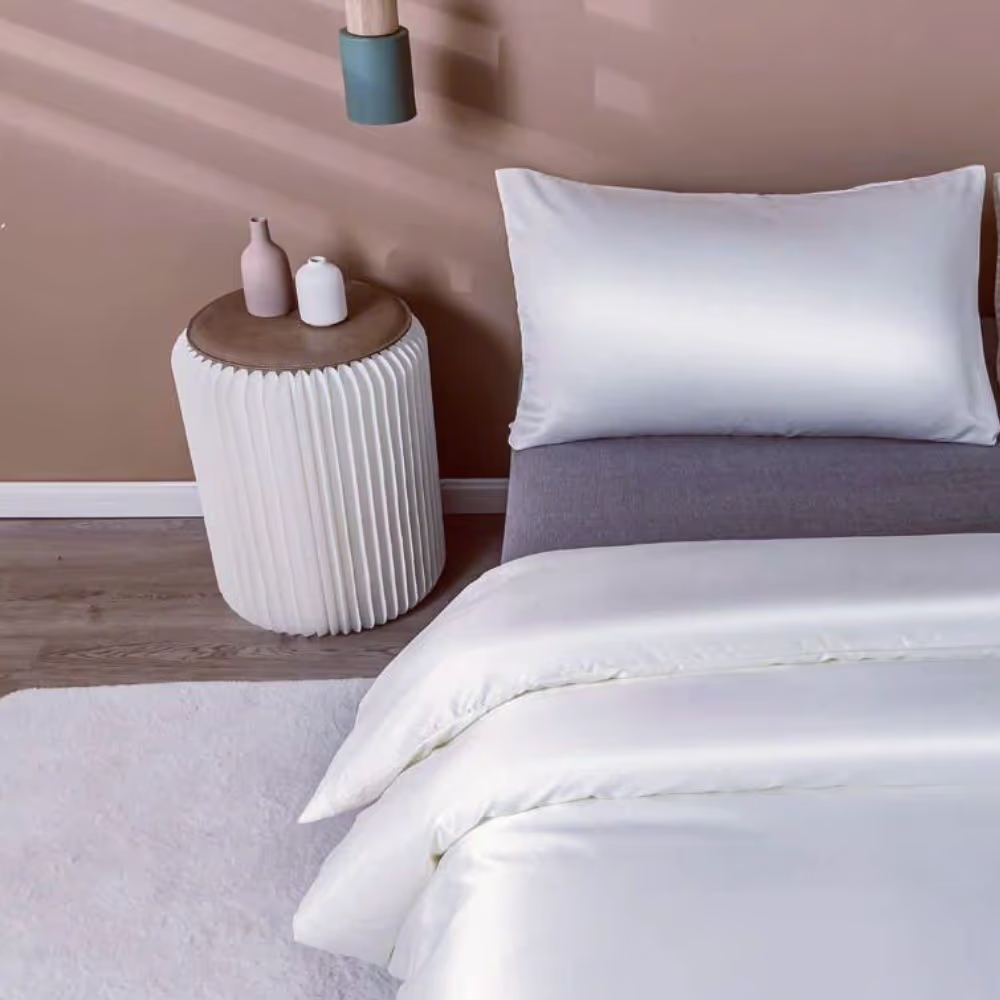
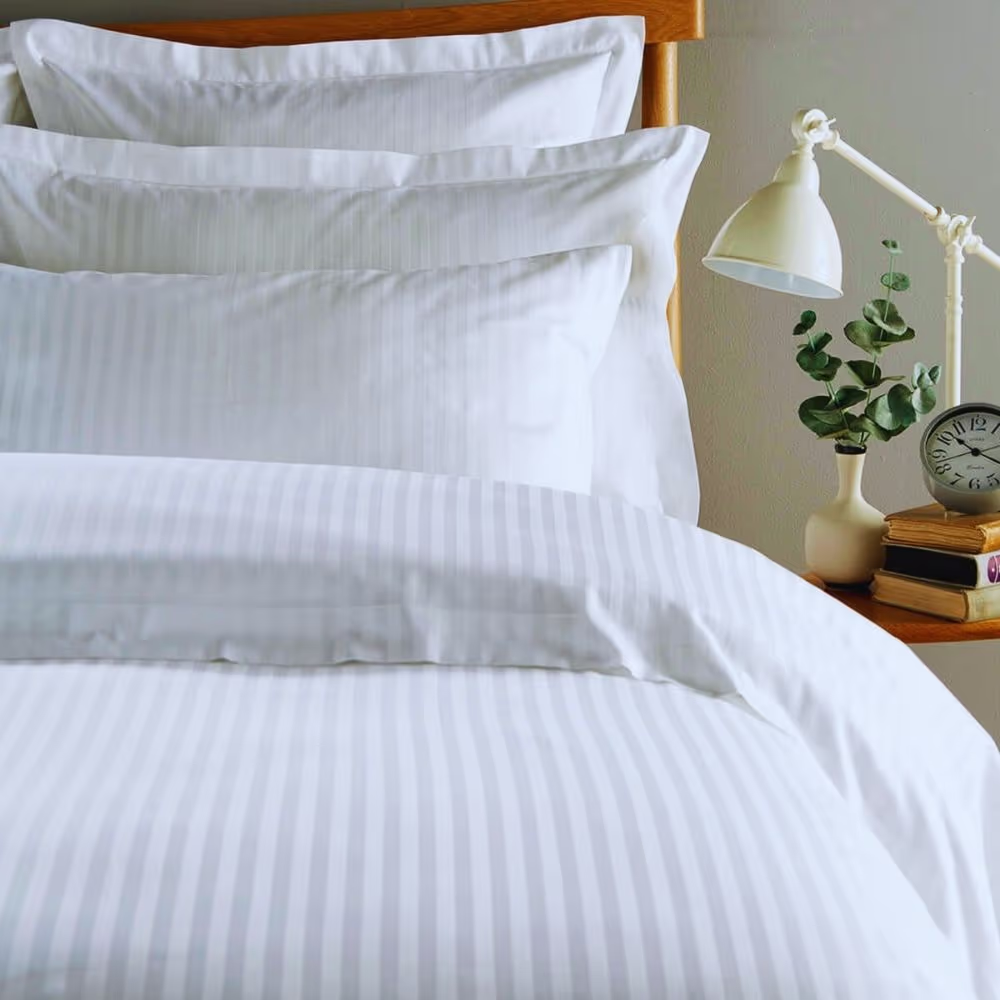
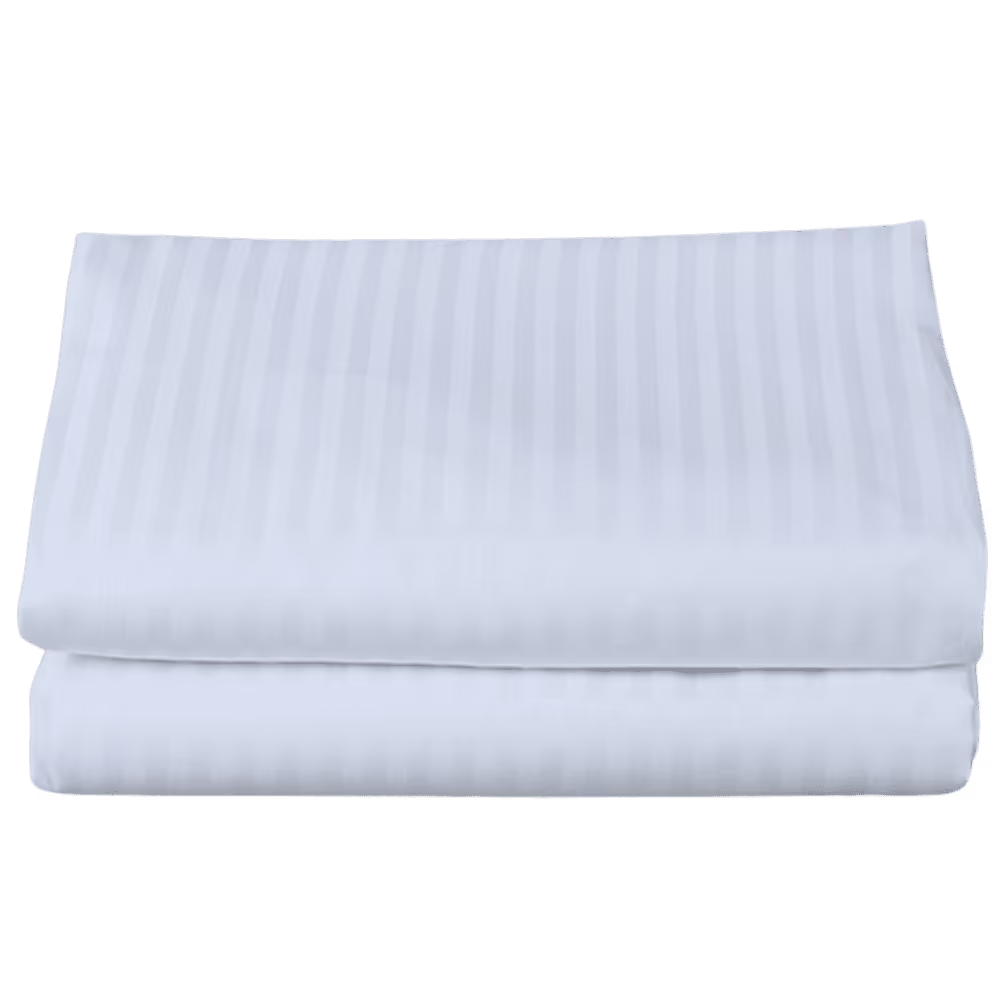
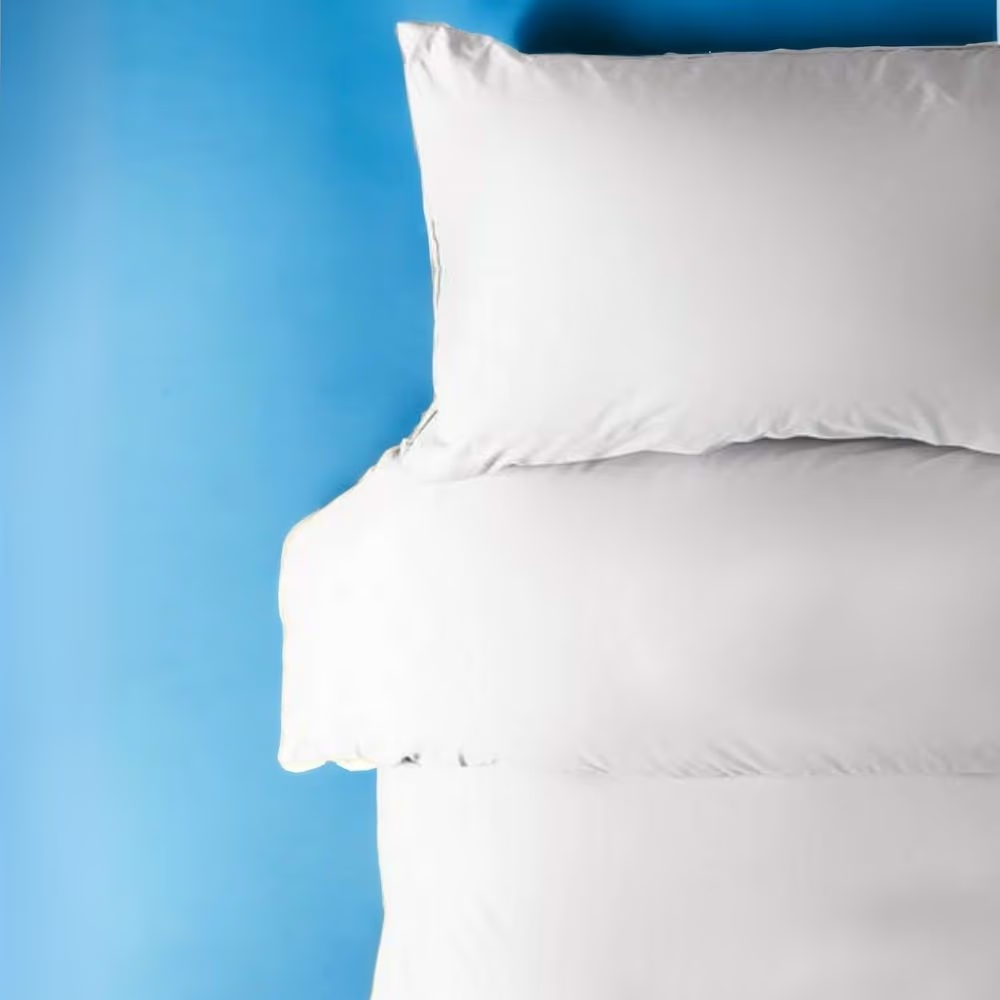
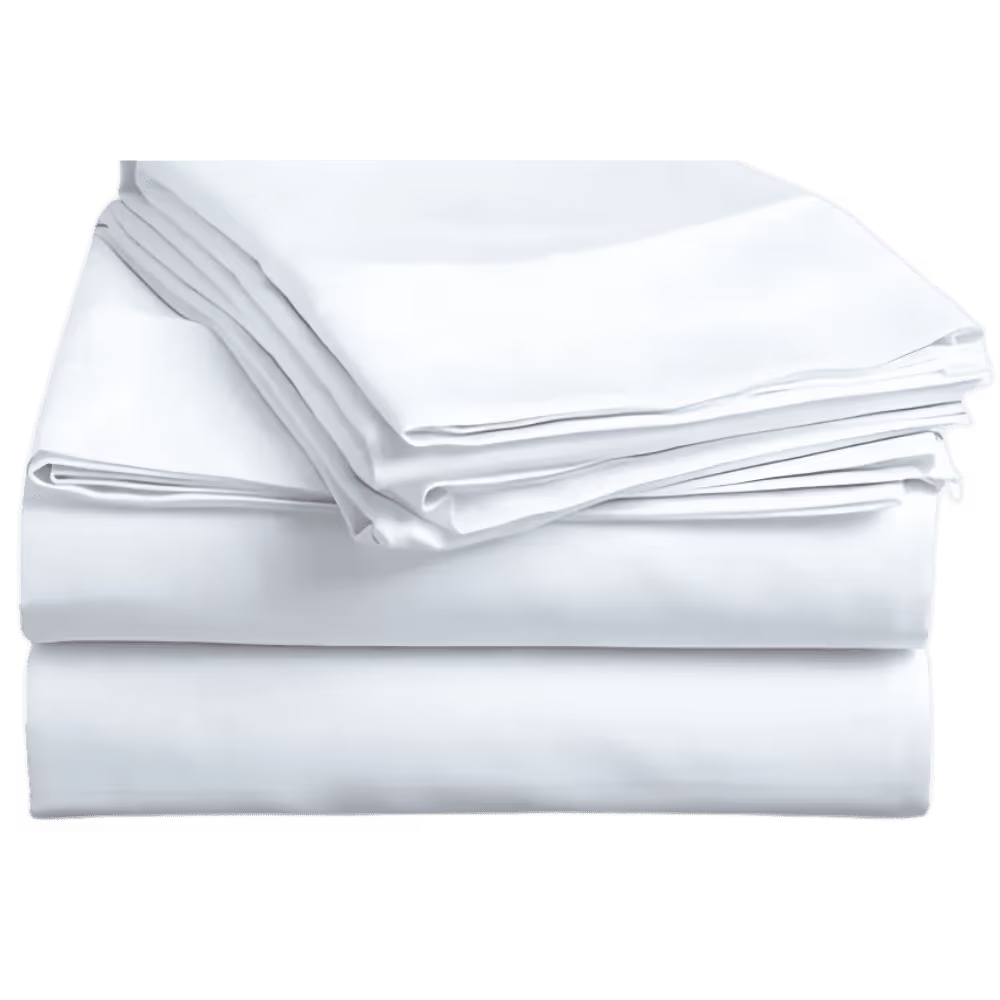
Satin Fabric, regardless of its raw material, is a textile material produced with the satin weave (satin weave) technique; it has wide, flat, and shiny areas on its surface where the threads have minimal contact.
Contents
- What is Satin Fabric and What is the Weaving Technique?
- What are the Technical Specifications of Satin Fabric?
- What are the Usage Areas and Advantages?
- Does Satin Fabric Make You Sweat and How to Wash It?
What is Satin Fabric and What is the Weaving Technique?
Satin is technically not a type of fiber or yarn, but a special weaving method. This weaving type relies on the yarns extending by connecting to each other at only a minimum point. This structure, where the yarn touches the surface only at every fifth or fourth warp, reflects light continuously, creating that characteristic shiny appearance.
Thanks to this technology, while one surface of the fabric is smooth and shiny, the other surface generally remains more matte.
What are the Technical Specifications of Satin Fabric?
This weave type, which forms the appearance of satin fabric, exhibits varying physical properties when used with different fibers (cotton, polyester, silk). It is generally produced with fine-count yarns between Ne 40/1 and Ne 60/1. The weight range is generally 90-130 gr/m² around.
| Feature | Description |
|---|---|
| Weave Type | Satin Weave (High yarn float) |
| Surface Feel | Smooth, Slippery, Shiny |
| Ventilation | High in cotton, low in synthetics |
| Moisture Retention | Proportional to fiber (Cotton: 8%, Polyester: Low) |
What are the Usage Areas and Advantages?
Satin's soft texture and elegant drape make it a preferred choice in many sectors:
- Home Textiles: Ideal for duvet covers and bed sheets, providing a luxurious look.
- Apparel Industry: Preferred for nightgowns, lingerie, and flowing evening dresses.
- Fashion & Accessories: It is a popular weave type used in scarves, ties, and decorative throws.
Does Satin Fabric Make You Sweat and How to Wash It?
The degree to which satin fabric makes you sweat depends entirely on its content. Cotton satin made from natural fibers is breathable and does not cause sweating, while 100% polyester satin can be sweaty by trapping heat.
To extend its lifespan:
- Wash at a maximum of 30-40 degrees.
- Clean in the washing machine using the delicate program.
- Lay flat to dry.