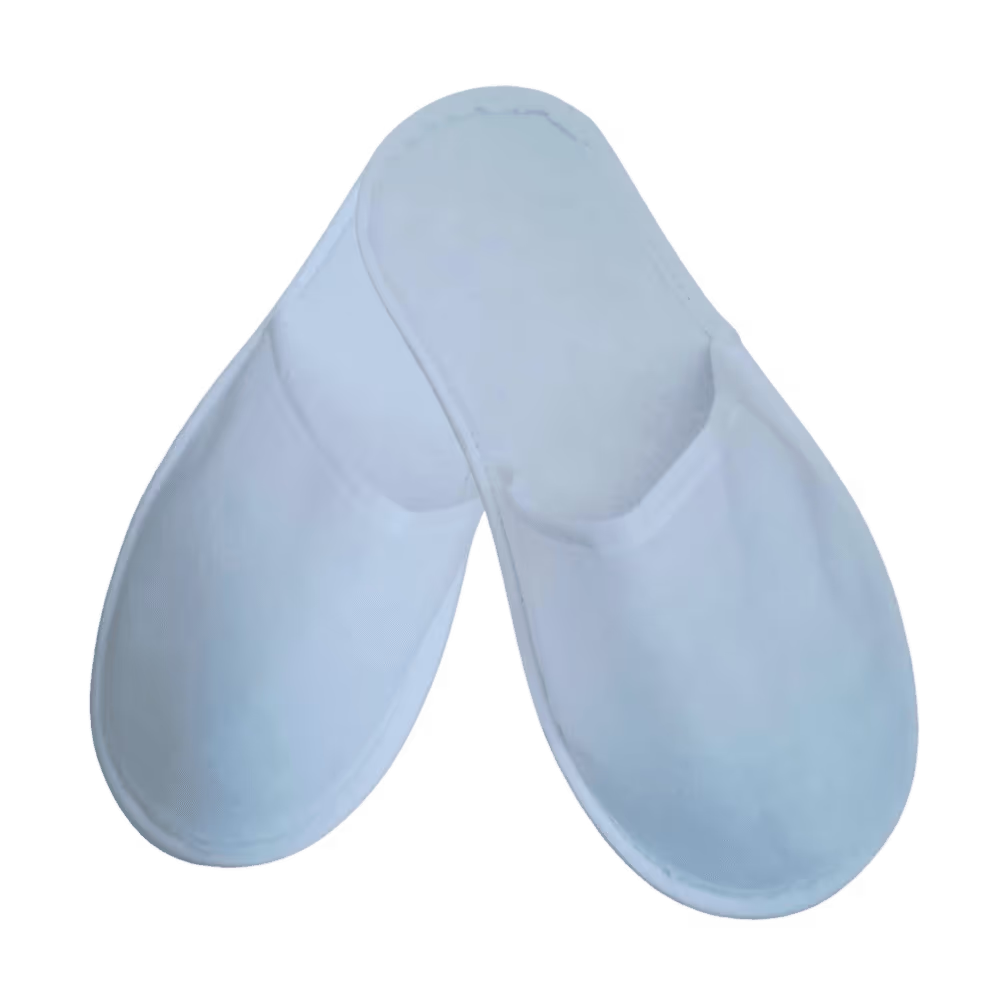
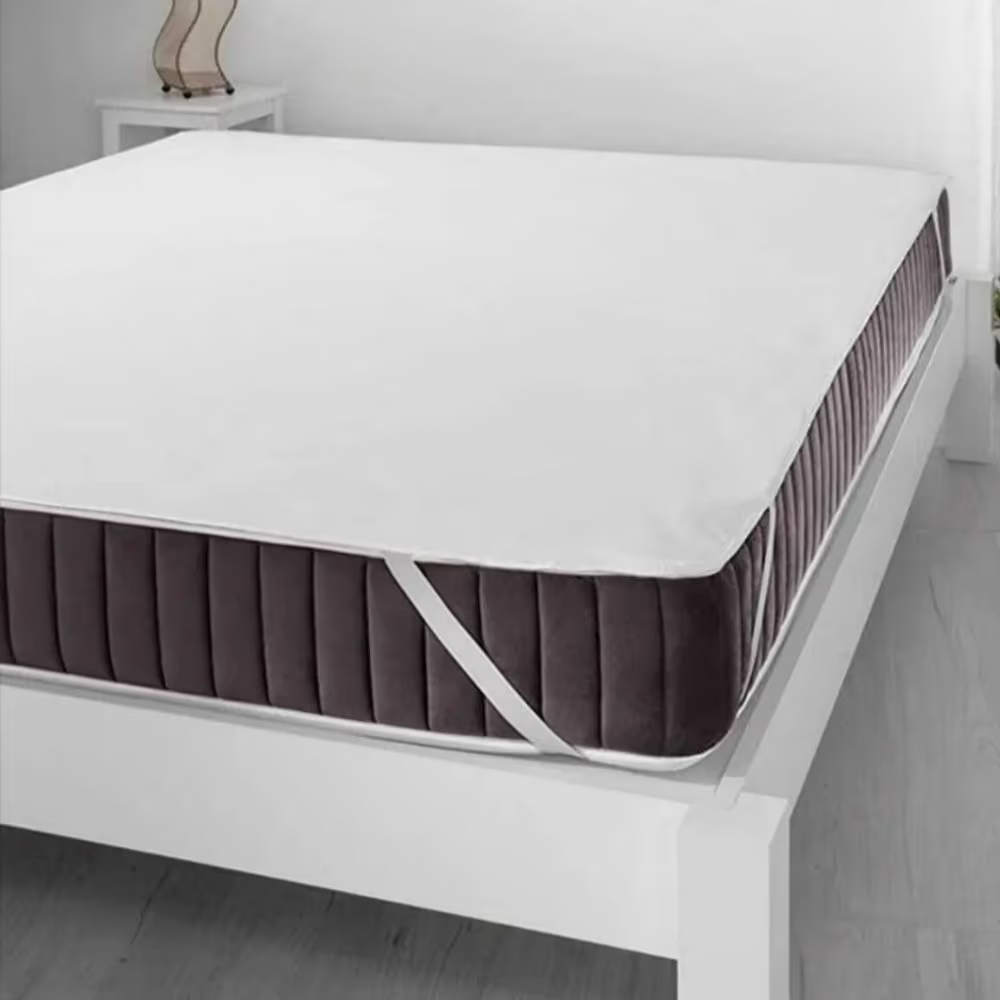
Microfiber Fabric, produced using synthetic filaments much finer than standard polyester yarns (0.1-0.3 denier), generally %80-90 Polyester/Polypropylene and %10-20 Polyamide (Nylon) is a textile material known for its blended structure.
Thanks to its special texture, its surface area expands, gaining the ability to quickly absorb liquids through 'capillary action'. Its difference from conventional synthetics is the velvety softness and superior performance resulting from the microscopic fineness of the fibers.
Contents
- Technical Structure and Properties of Microfiber
- What Does Microfiber Do and Where Is It Used?
- Is Microfiber Fabric Healthy and Eco-Friendly?
Technical Structure and Properties of Microfiber
The main advantage of microfiber is its fineness, about 1/16th that of traditional polyester. This increases breathability and prevents a sticky feeling on the skin. Here are the key parameters to consider:
| Feature | Value / Description |
|---|---|
| Composition | %80-90 Polyester or Polypropylene + %10-20 Polyamide |
| Fiber Fineness | 0.1 - 0.3 Denier (Much finer than standard polyester) |
| Feel | Suede (Velvet) like, smooth and soft |
| Absorbency | High; quickly absorbs and retains water due to its capillary structure |
| Weight | Generally lightweight (e.g., around 150-200 gr/m² for home textiles) |
| Care | Washable at low temperatures, dries quickly, high color fastness |
What Does Microfiber Do and Where Is It Used?
The trapping structure and durability of microfiber fabric make it indispensable in various sectors. The most common areas of use are:
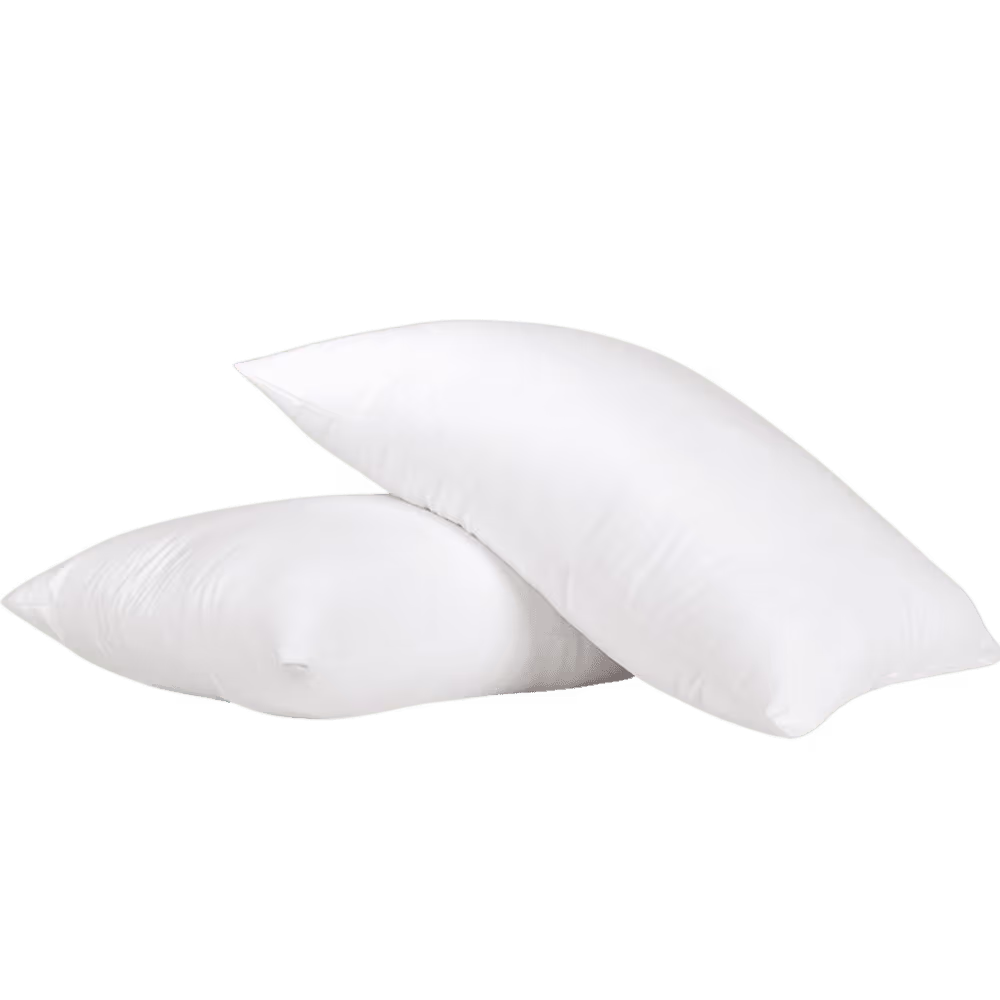
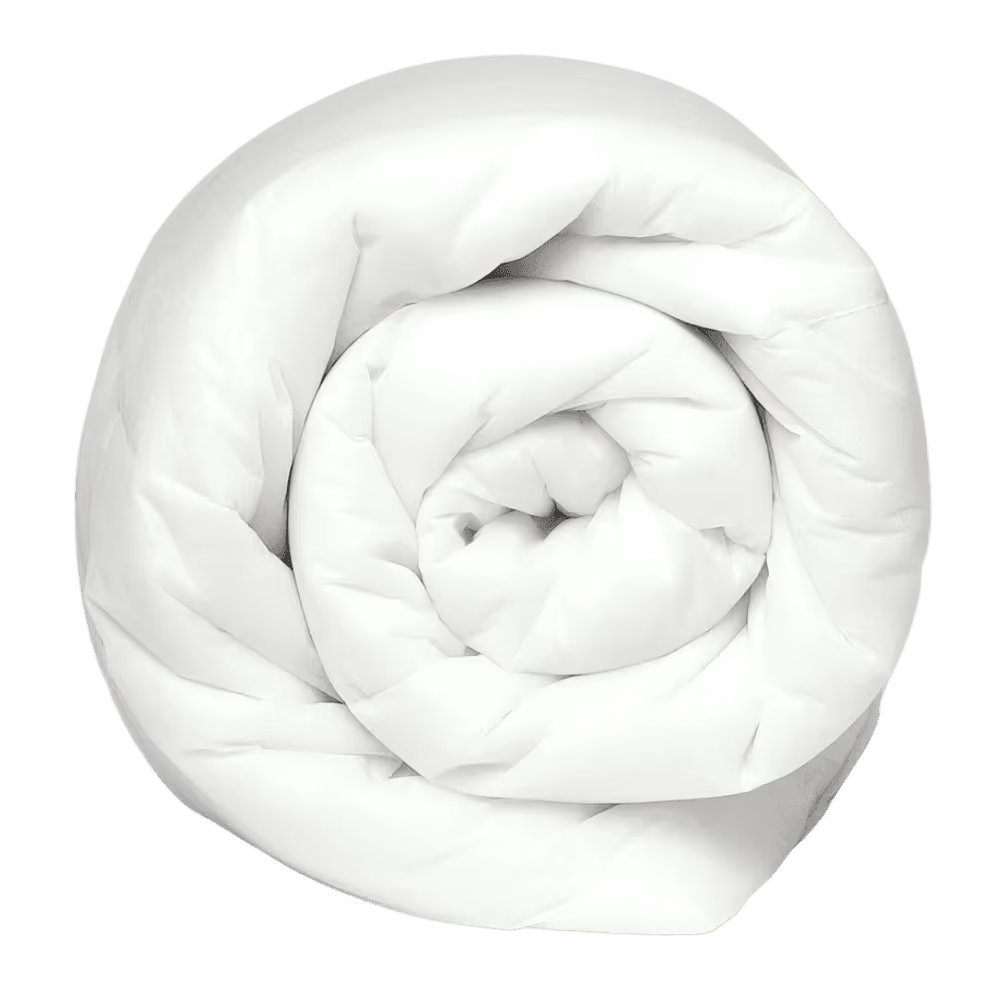
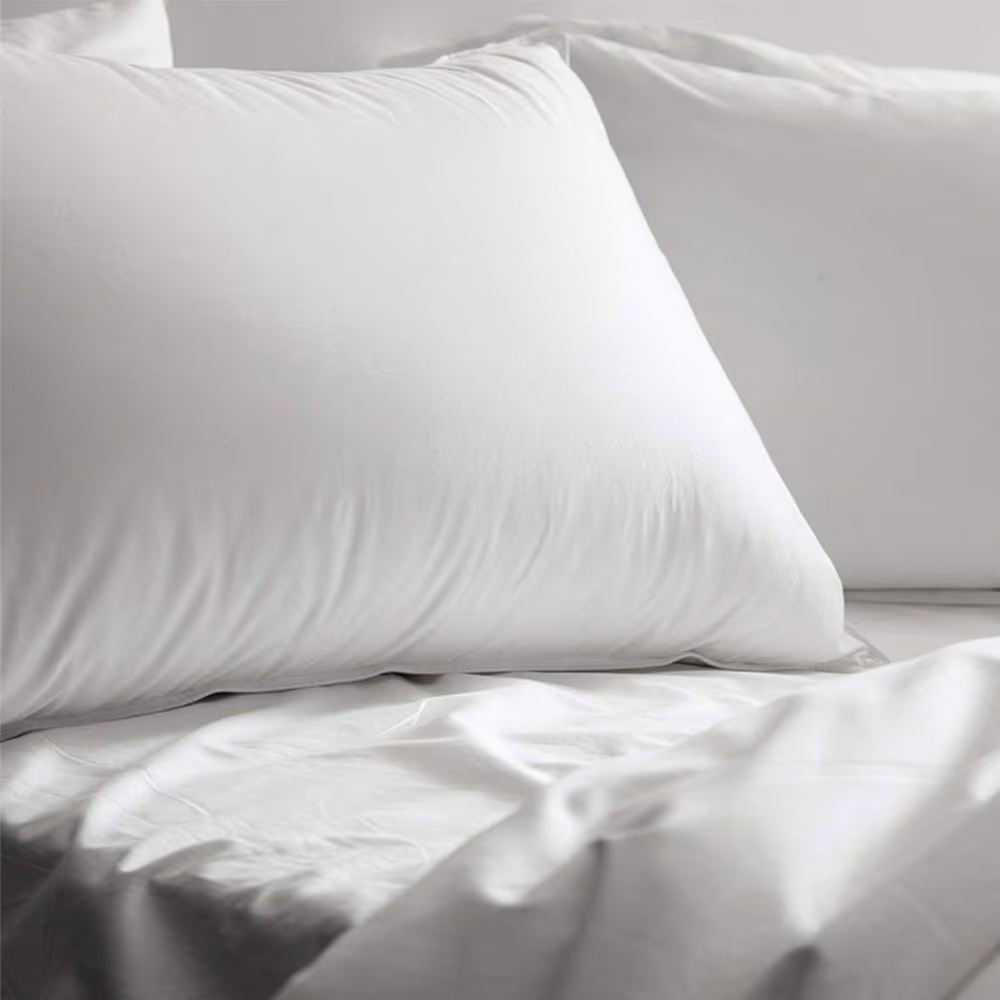
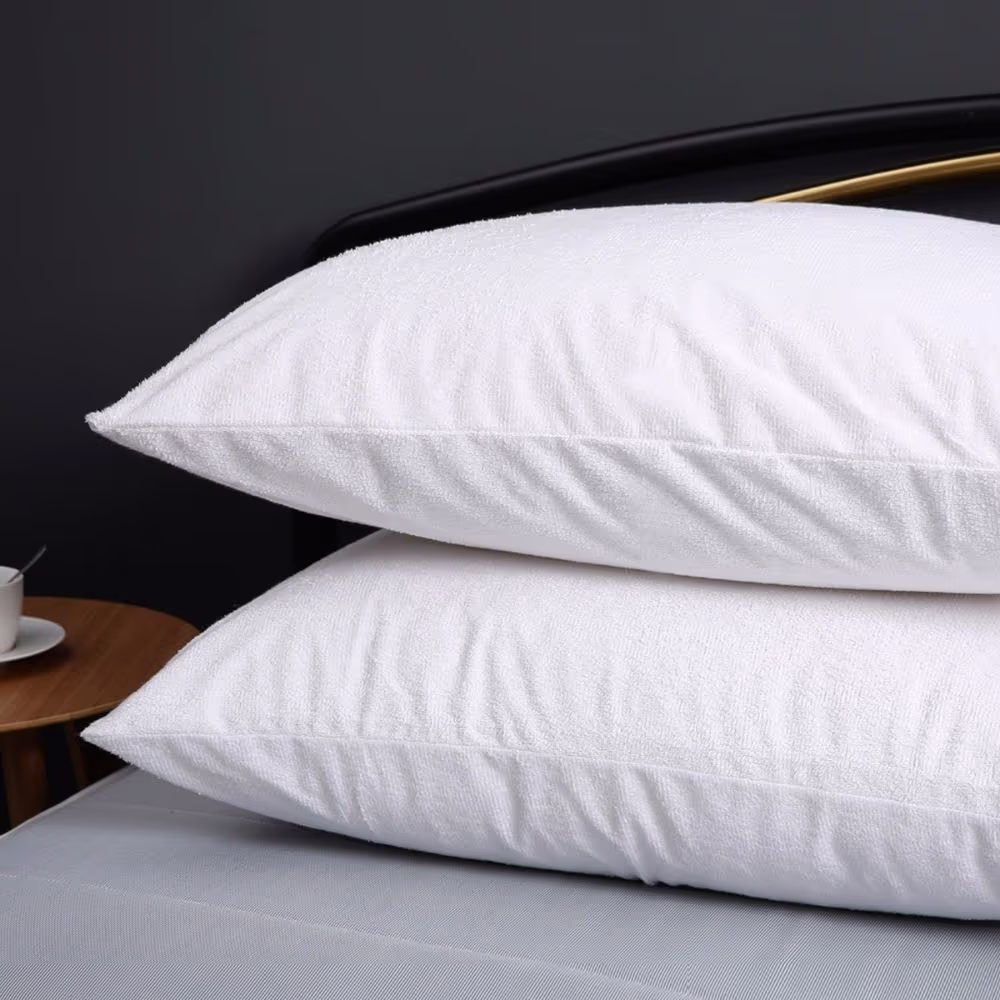
- Home Textiles: Provides a non-sweating, skin-friendly sleep experience in duvet covers, sheets, and pillowcases.
- Cleaning Industry: It is the main material for professional cleaning cloths as it can physically trap dust and microorganisms.
- Textiles and Apparel: Provides flexibility and moisture management in underwear, undershirts, and acupuncture padding.
Is Microfiber Fabric Healthy and Eco-Friendly?
In terms of health, microfiber stands out with its hypoallergenic property. As it is produced from synthetic fibers, it does not harbor certain allergens like natural plant pollen and is resistant to bacterial growth. In this regard, it can be a safe choice for people with asthma and allergies. However, there is a point to consider regarding its environmental impact. As it is a petroleum-derived plastic product, it can release microscopic particles (microplastics) during washing. Therefore, when it comes to environmentally conscious consumption, it is recommended to evaluate it carefully in terms of sustainability compared to natural fibers (e.g., organic cotton). Nevertheless, its long-lasting structure provides an indirect benefit by reducing the need for frequent replacement.