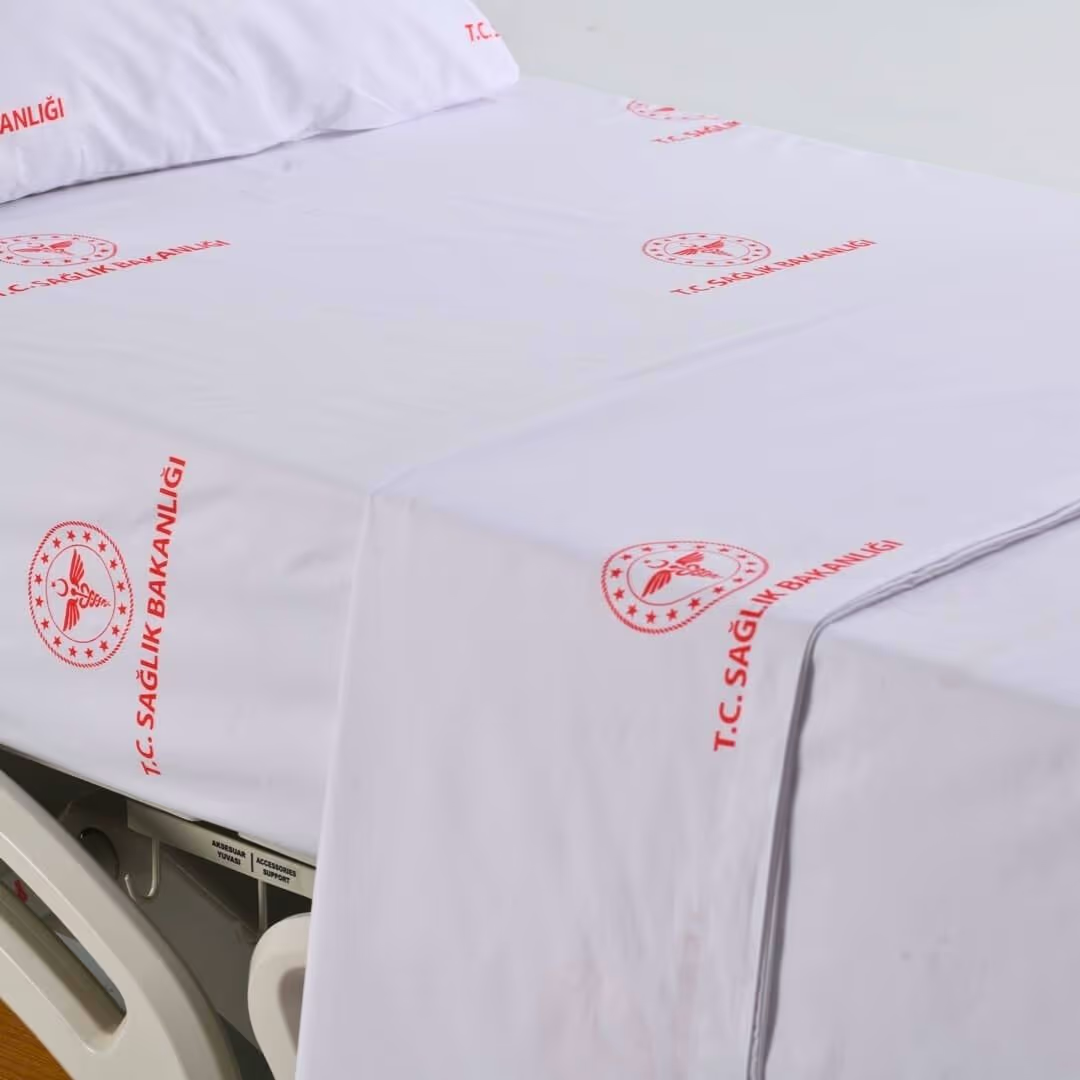
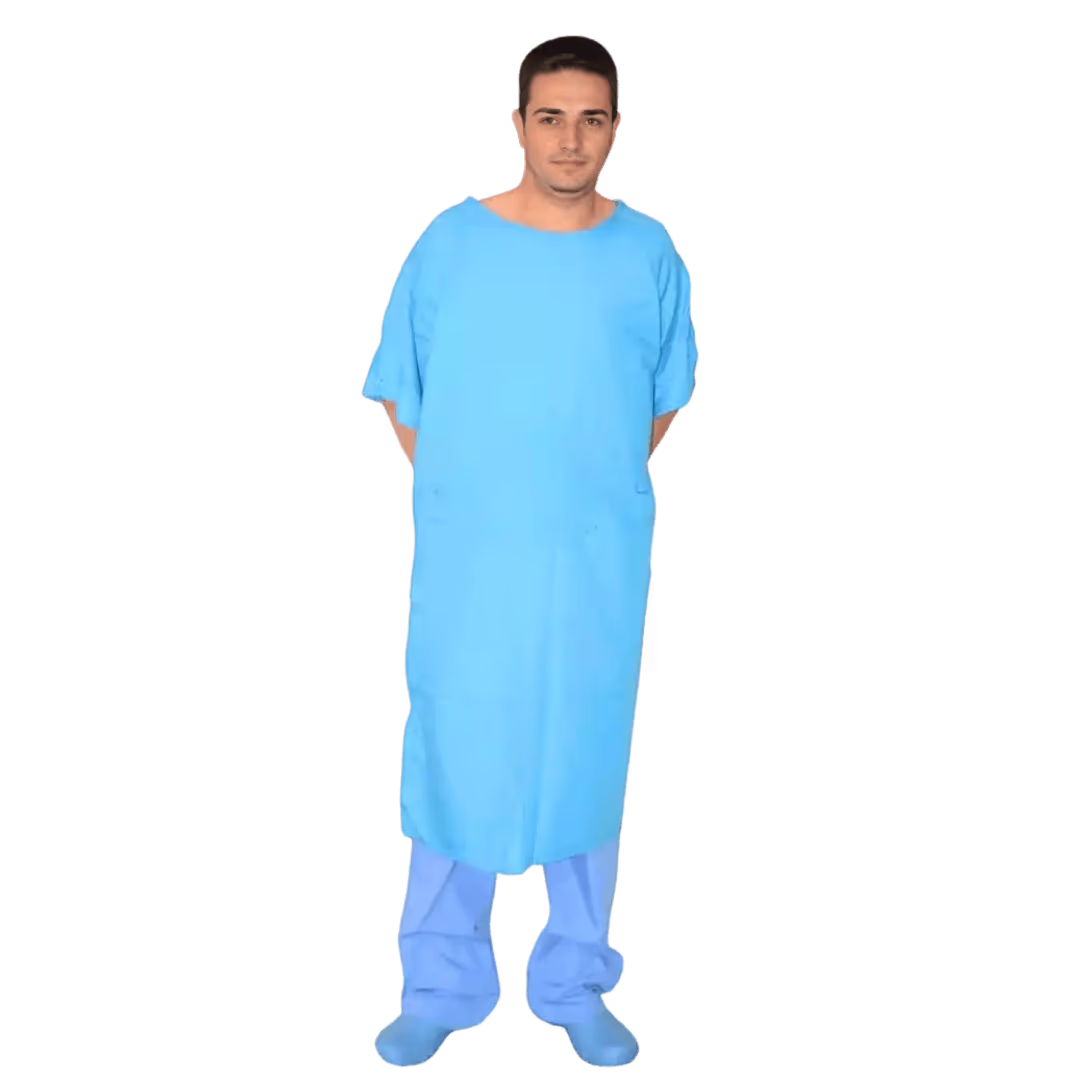
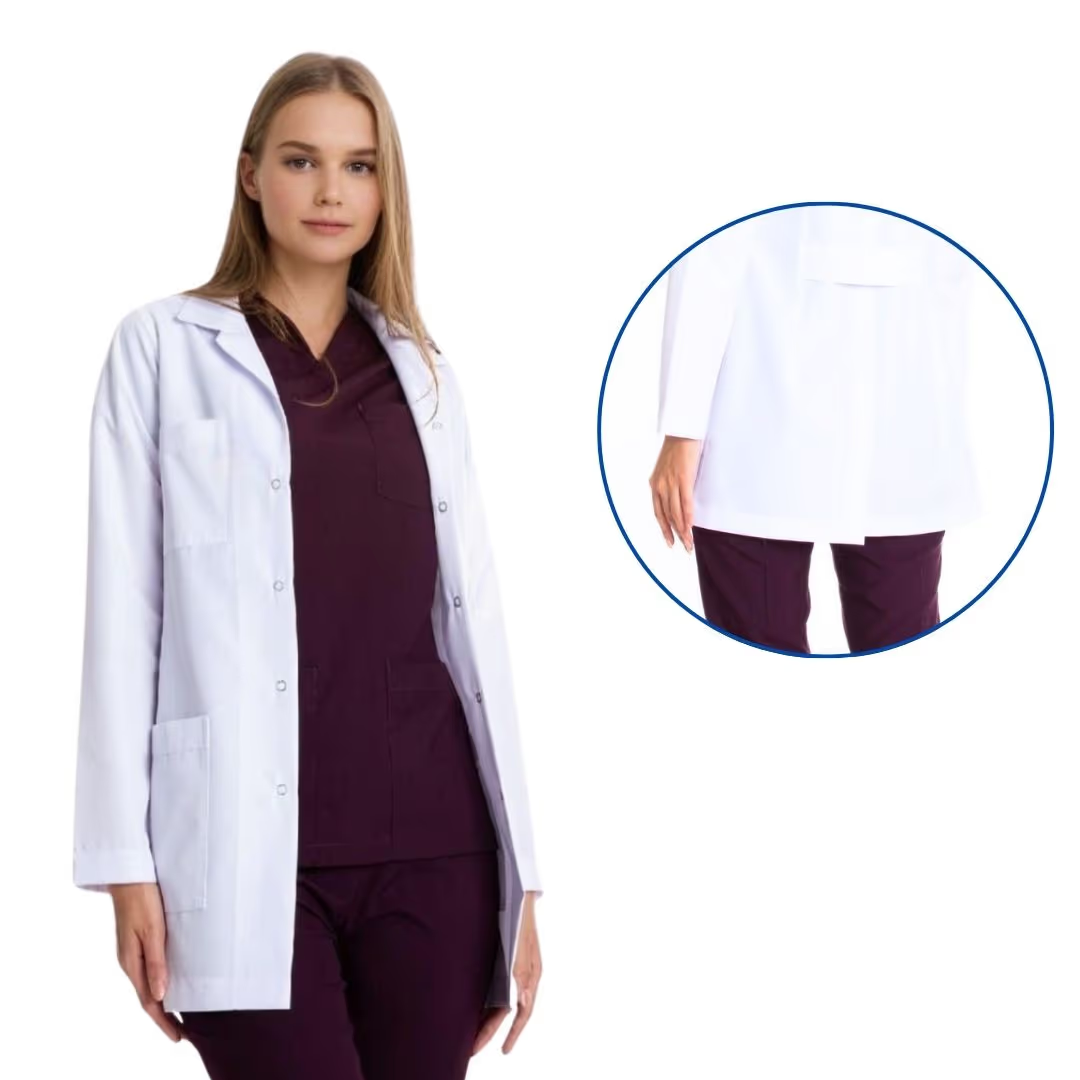
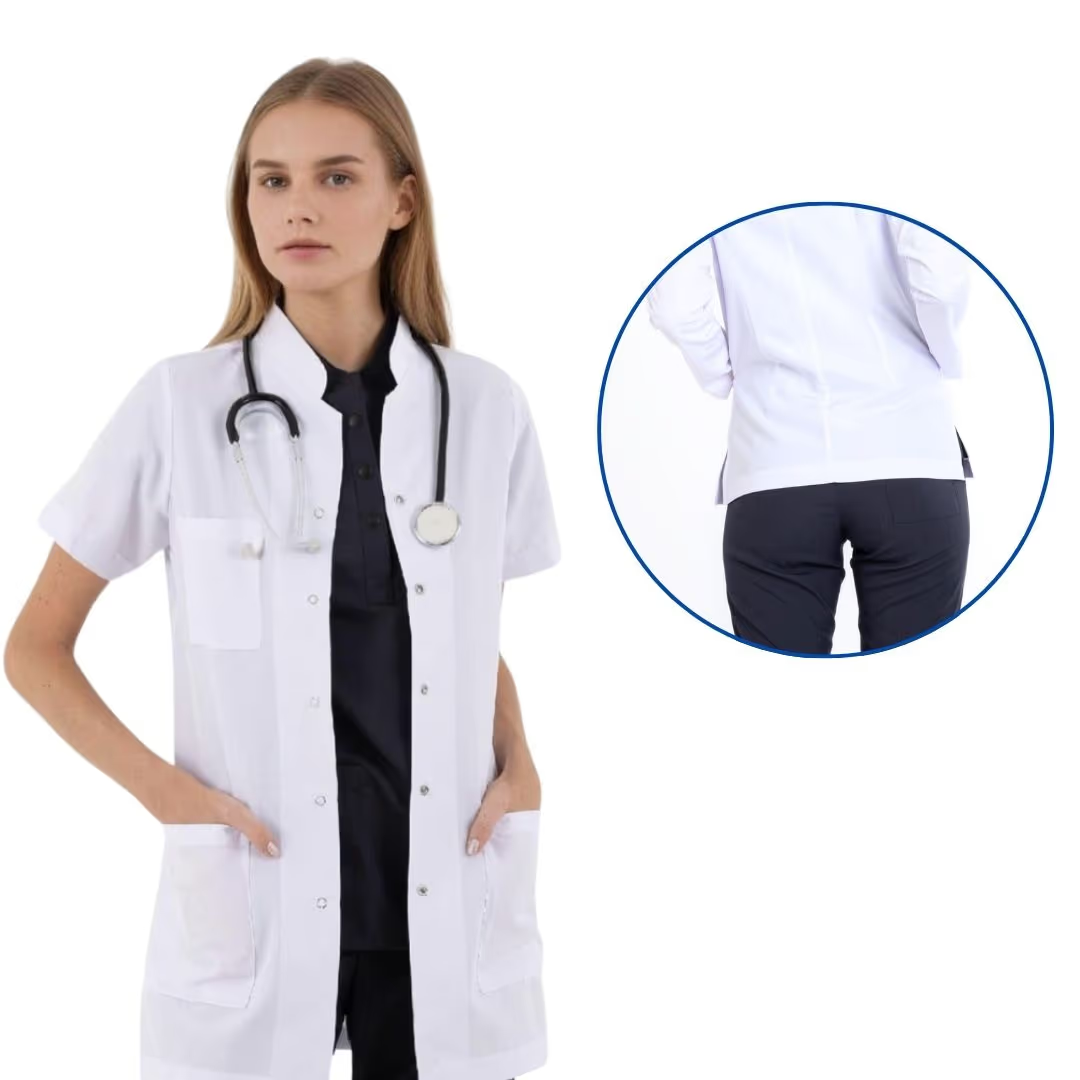
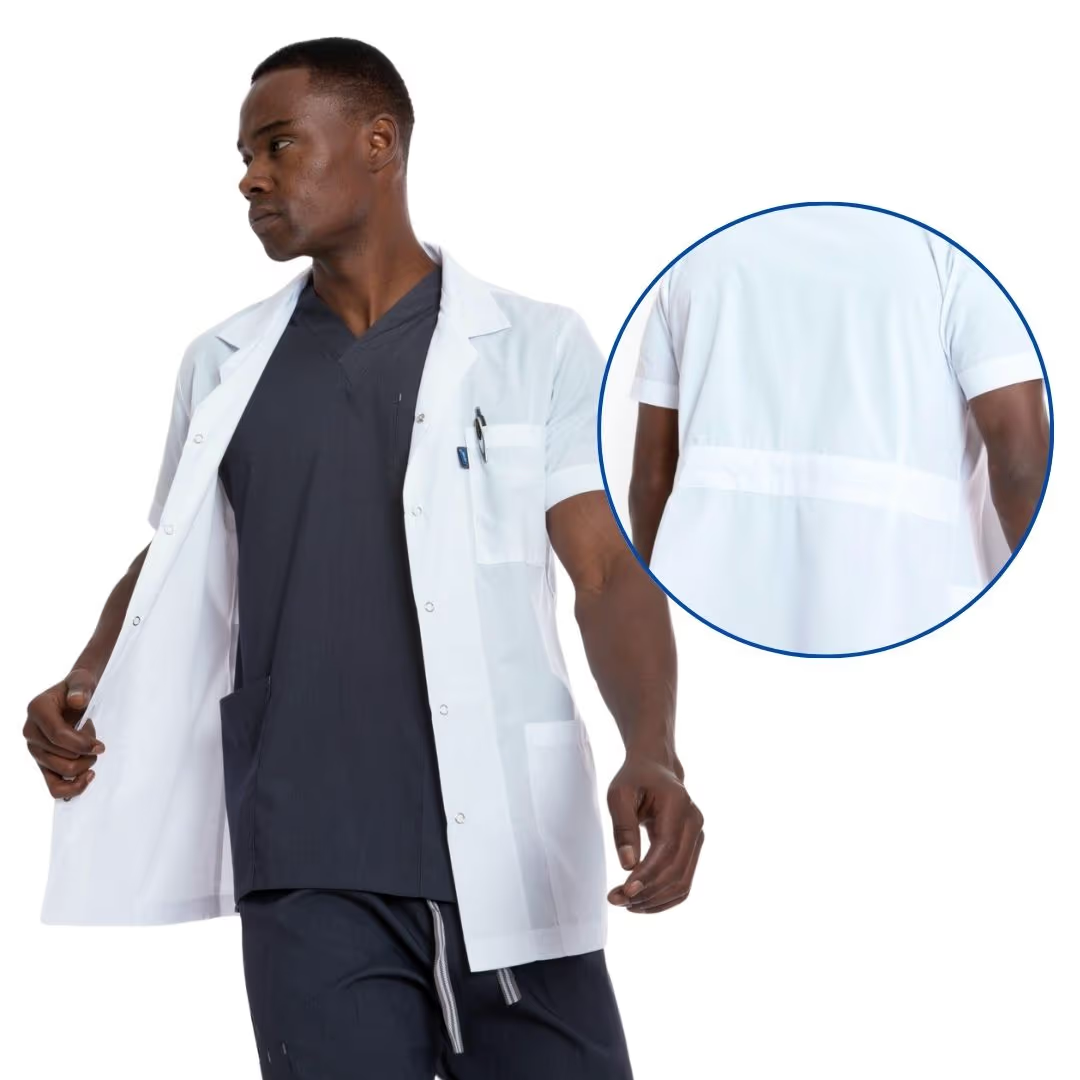
Fabric composition, the technical definition that determines from which raw materials (fibers) and in which percentages a textile product is produced. Seeing phrases like "%100 Cotton" or "%65 Polyester / %35 Wool" on a fabric's label directly indicates the breathability, elasticity, durability, and care requirements of that garment or home textile.
Contents
- What Does Fabric Composition Mean and Where is it on the Label?
- What Properties Do Natural and Synthetic Fibers Have?
- How Does Fabric Composition Affect Care Instructions?
What Does Fabric Composition Mean and Where is it on the Label?
This definition, used in the textile industry, is a legal requirement that informs the consumer about the product's content. The fabric composition is usually found on the care label sewn onto the side of the product. The ratios indicated here are calculated based on total weight and answer the consumer's question, "Why is this product good for my skin or why does it dry quickly?". In blended fabrics, the comfort of natural fibers is balanced with the functionality of synthetic fibers for more efficient production.
What Properties Do Natural and Synthetic Fibers Have?
The main groups that appear when classifying fabric types are technical details that determine whether your choice is arbitrary:
- Natural Fibers: They are divided into two groups: plant-based (cotton, linen) and animal-based (wool, silk). They are generally breathable, skin-friendly, and static-free, but can be expensive and wrinkle easily.
- Synthetic Fibers: They are petroleum-based materials such as polyester, nylon, and elastane. They increase durability, are easy to wash, dry quickly, and retain their shape; however, their breathability is lower than natural fibers.
| Combo Position | Description and Features |
|---|---|
| %100 Cotton | Porous structure; ideal for summer months, sensitive skin, and bedding. Irons, may shrink. |
| %60 Cotton - %40 Polyester | Balance of resistance and comfort. Maintains its shape well, has low wrinkling and is durable. |
| %98 Polyester - %2 Elastane | Suitable for sportswear; provides high elasticity and fast moisture transfer. |
How Does Fabric Composition Affect Care Instructions?
Composition ratios determine how your garment should be cleaned to extend its life. Pure silk and wool fibers can be sensitive to detergents, while polyester-based blends have much more durable washing conditions. For example, a sportswear with a high percentage of elastane is heat-sensitive, while a pure cotton bedding set can shrink at high temperatures. Therefore, composition accuracy is important in quality textiles certified with certifications such as GOTS or OEKO-TEX.